
- Home
- »
- Pharmaceuticals
- »
-
Oncology Drugs Market Size, Share & Growth Report, 2033GVR Report cover

Oncology Drugs Market (2026 - 2033)
Size, Share & Trends Analysis Report By Drug Class (Chemotherapy, Targeted Therapy, Immunotherapy), By Cancer Type, By Route of Administration, By Drug Type, By Distribution Channel, By Region, And Segment Forecasts
Market Size, 2025
$257.6MMarket Estimate, 2026
$280.7MMarket Forecast, 2033
$541.6MCAGR, 2026–2033
9.8%Oncology Drugs Market Summary
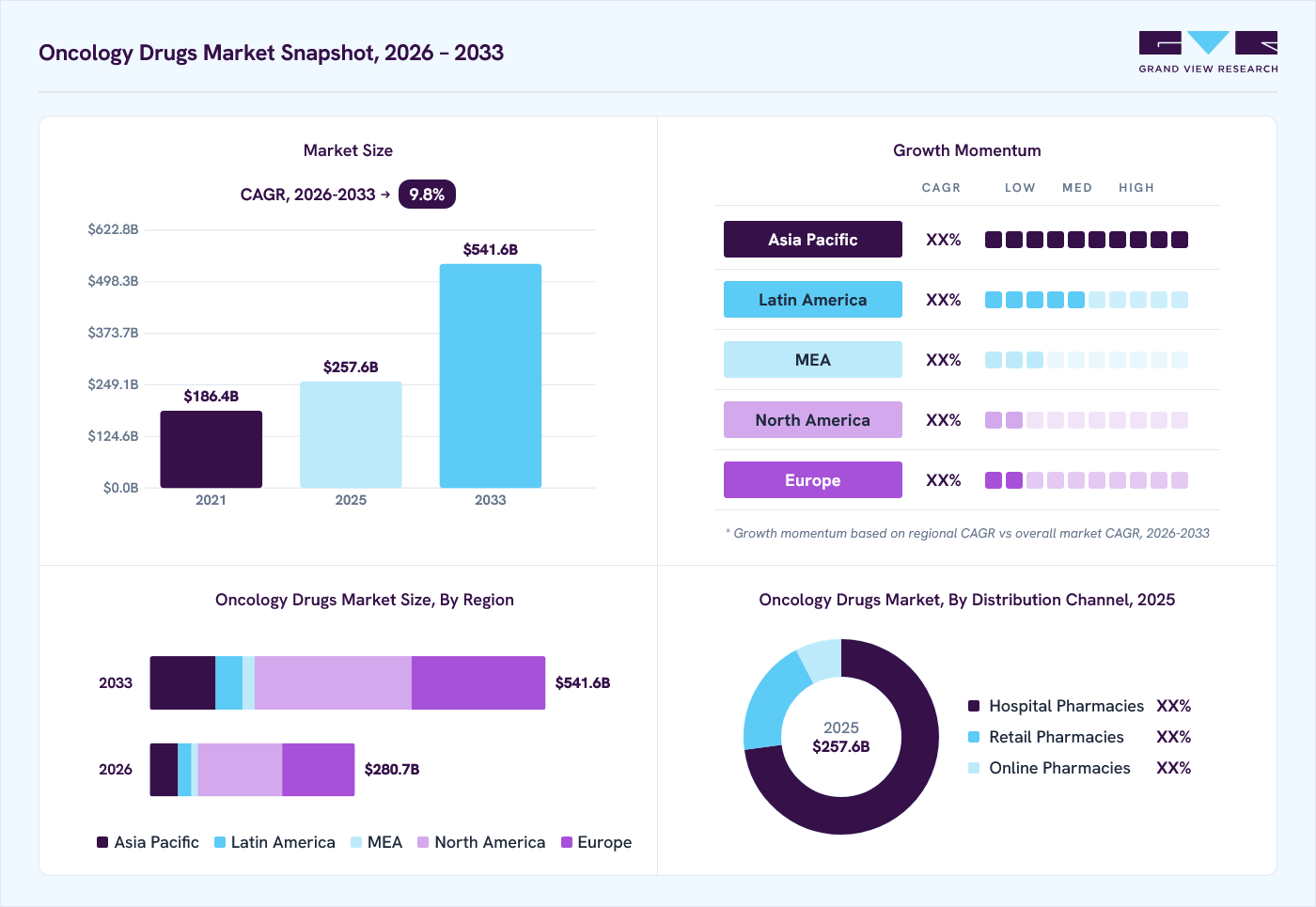
The global oncology drugs market size was valued at USD 257.6 billion in 2025 and is projected to grow from USD 280.7 billion in 2026 to USD 541.6 billion by 2033, at a CAGR of 9.8% from 2026 to 2033. North America dominated the market, accounting for the largest revenue share of 41.2% in 2025. The market is expanding due to the rising global burden of cancer, increasing adoption of precision medicine, and continued investment in innovative therapies.
 Source: Grand View Research, IR Documents, Primary Interviews, Paid DatabasesTo learn more about this report,
 Download Free Sample Report
Key Market Trends & Insights
- By drug class: Chemotherapy segment held the largest market share of 31.5% in 2025.
- By cancer type: Solid tumors segment held the largest market share of 35.1% in 2025.
- By route of administration: Injectable segment held the largest market share of 54.2% in 2025.
- By drug type: Branded segment held the largest market share of 68.5% in 2025.
- By distribution channel: Hospital pharmacies segment held the largest market share of 72.8% in 2025.
Regional Highlights
- Largest regional market: North America (41.2% revenue share, 2025)
- Fastest-growing regional market: Asia Pacific (highest CAGR, 2026-2033)
- By country: The U.S. held the largest market share in 2025
Market Size & Forecast
- Market size in 2025: USD 257.6 Billion
- Estimated market size in 2026: USD 280.7 Billion
- Projected market size by 2033: USD 541.6 Billion
- CAGR (2026-2033): 9.8%
Prism AI by Grand View Research Free to tryAsk a question about the oncology drugs marketTry asking✓Every figure cited from GVR research Prefer the report? Download free sample →
Growing use of immunotherapies, targeted therapies, and cell-based treatments is improving clinical outcomes across multiple tumor types and supporting market growth. Advances in biomarker testing and genomic profiling are enabling more personalized treatment approaches, while faster regulatory pathways for therapies addressing unmet medical needs are accelerating product launches. Expanding healthcare expenditure and improving access to cancer diagnosis and treatment in emerging economies are further supporting demand.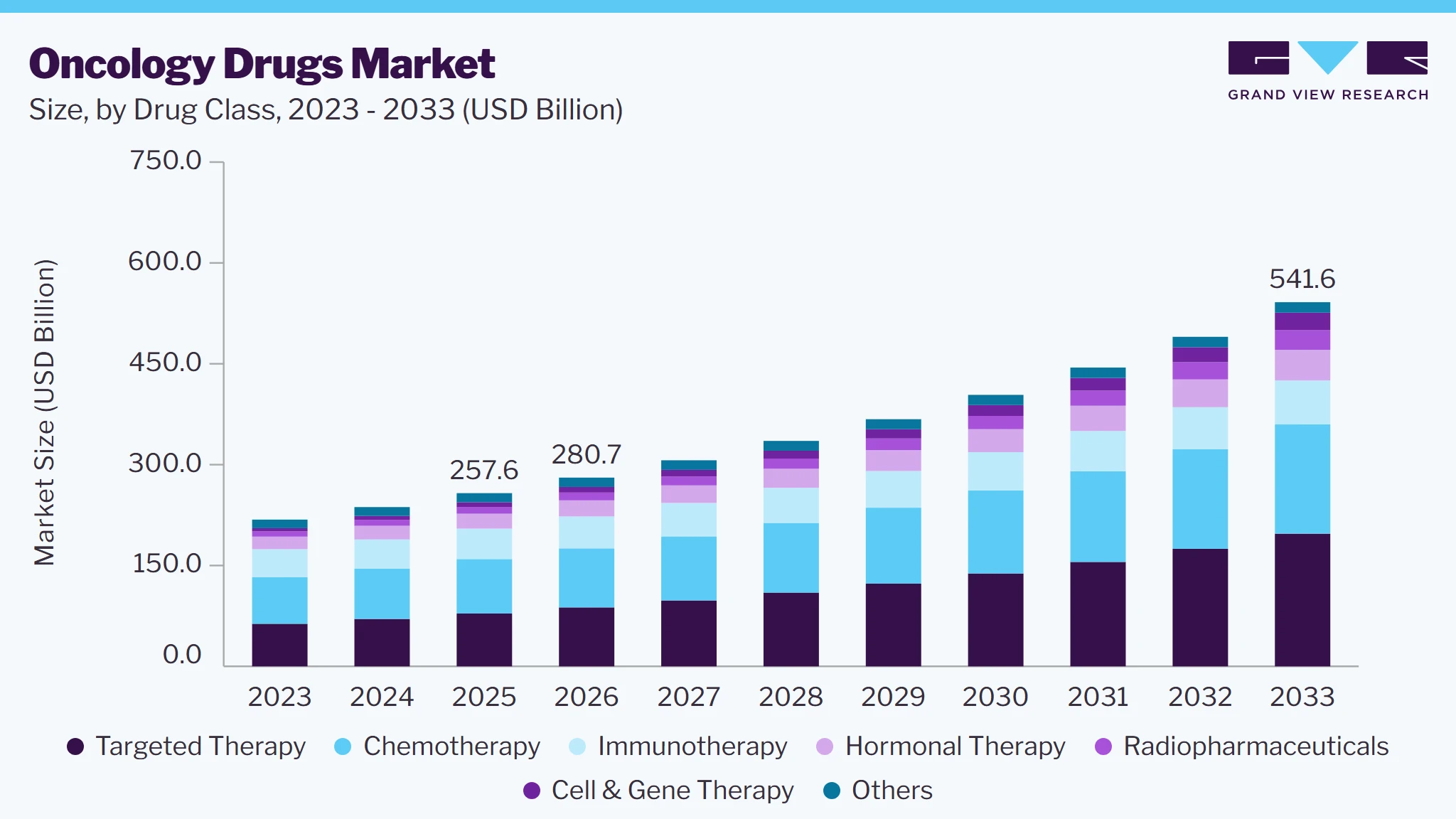 To learn more about this report, Download Free Sample Report
However, high treatment costs, reimbursement challenges, and pricing pressure from generic and biosimilar products continue to influence market performance. Complex clinical development processes and stringent regulatory requirements also affect the pace of commercialization. Despite these challenges, ongoing research collaborations, an increasing number of oncology clinical trials, and broader integration of companion diagnostics are expected to strengthen the development pipeline and create opportunities for sustained market expansion in both developed and emerging healthcare markets.
Market Dynamics
The oncology drugs industry is being driven by the growing approval and adoption of precision oncology therapies that target specific genetic alterations, improving clinical outcomes across multiple cancer types. Growing use of biomarker testing and companion diagnostics has enabled physicians to select appropriate therapies for defined patient populations, resulting in more personalized treatment strategies and improved therapeutic effectiveness. Pharmaceutical companies continue to invest heavily in targeted therapies, immunotherapies, and next generation oncology platforms, while regulatory agencies have accelerated access to innovative medicines that address unmet clinical needs. These developments are expanding treatment options and supporting sustained market growth across both developed and emerging healthcare systems. For instance, in July 2026, the U.S. Food and Drug Administration approved zidesamtinib (Jideytro) for adults with locally advanced or metastatic ROS1-positive non-small cell lung cancer who had received at least one prior ROS1 tyrosine kinase inhibitor. The approval was supported by the ARROS 1 clinical trial involving 117 patients, including 59 patients who had received one prior ROS1 tyrosine kinase inhibitor and 58 patients who had received two or more prior ROS1 tyrosine kinase inhibitors, demonstrating continued advancement in precision oncology therapies.
The oncology drugs industry continues to face challenges related to the high cost of innovative therapies and increasing reimbursement pressure across healthcare systems. Advanced treatments, including immunotherapies, cell therapies, targeted therapies, antibody drug conjugates, and radiopharmaceuticals, require extensive research, complex manufacturing processes, and lengthy clinical development, resulting in premium pricing. These high costs can limit patient access, particularly in low- and middle-income countries and healthcare systems with constrained budgets. Public and private payers are increasingly adopting value-based reimbursement models and stricter health technology assessments to evaluate the clinical and economic benefits of new oncology drugs before approving coverage. In addition, growing competition from generic medicines and biosimilars is placing pressure on pricing strategies for established therapies. Manufacturers must therefore generate robust real-world evidence and long-term outcomes data to justify reimbursement and maintain market access. These factors can delay product adoption, reduce commercial flexibility, and create uncertainty regarding the return on investment for innovative oncology therapies, particularly in markets where cost containment remains a key healthcare priority.
The rapid advancement of next-generation oncology platforms is creating significant opportunities for the oncology drugs industry. Pharmaceutical companies are expanding their pipelines through the development of bispecific antibodies, antibody drug conjugates, radioligand therapies, personalized cancer vaccines, and engineered cell therapies that address cancers with high unmet medical needs. Increasing collaboration between biotechnology companies and established pharmaceutical manufacturers is accelerating clinical development and commercialization of these therapies. Continued progress in genomic profiling and molecular diagnostics is also expanding the number of patients eligible for precision treatments, creating new commercial opportunities across multiple tumor types. For instance, in July 2025, the U.S. Food and Drug Administration granted accelerated approval to linvoseltamab gcpt (Lynozyfic), a BCMA-directed CD3 bispecific antibody, for adults with relapsed or refractory multiple myeloma who had received at least four prior lines of therapy, including one proteasome inhibitor, one immunomodulatory agent, and one anti-CD38 monoclonal antibody. During the same month, the FDA also granted accelerated approval to sunvozertinib (Zegfrovy) for adults with locally advanced or metastatic non-small cell lung cancer harboring EGFR exon 20 insertion mutations after platinum-based chemotherapy, demonstrating continued expansion of innovative targeted oncology therapies.
Market Characteristics & Concentration
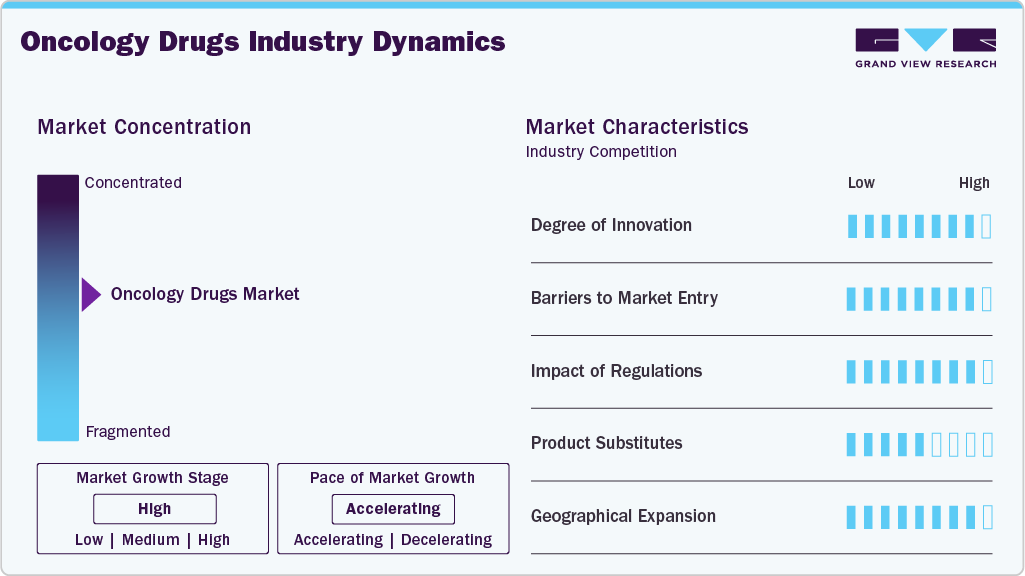
The oncology drugs industry is characterized by a high degree of innovation, driven by continuous advances in molecular biology, genomics, and immunology. Pharmaceutical companies are investing heavily in targeted therapies, immunotherapies, antibody drug conjugates, radiopharmaceuticals, and cell and gene therapies to improve treatment outcomes. The integration of biomarker testing and companion diagnostics has enabled more personalized treatment approaches across multiple cancer types. Artificial intelligence and real-world evidence are also supporting drug discovery and clinical development. Ongoing innovation remains central to maintaining competitive differentiation and expanding therapeutic options.
The oncology drugs industry has high barriers to market entry due to significant research and development costs, lengthy clinical trials, and stringent regulatory requirements. Drug developers must demonstrate safety, efficacy, and quality through multiple phases of clinical studies before obtaining regulatory approval. Complex biologic manufacturing, intellectual property protection, and specialized production facilities further increase capital requirements. In addition, established pharmaceutical companies possess extensive clinical expertise, commercial infrastructure, and strong relationships with physicians that create competitive advantages. These factors make market entry challenging for new participants.
 To learn more about this report, Download Free Sample Report
Regulatory agencies play a critical role in shaping the oncology drugs industry by establishing rigorous standards for drug approval, manufacturing quality, and post-marketing surveillance. Authorities such as the U.S. Food and Drug Administration, the European Medicines Agency, and other national regulators increasingly support accelerated approval pathways for therapies addressing unmet medical needs. However, companies must continue to meet strict pharmacovigilance, quality assurance, and labeling requirements throughout the product lifecycle. Pricing assessments and reimbursement evaluations also influence commercial adoption across different healthcare systems. Compliance with evolving regulations remains essential for sustained market access.
Product substitution within the oncology drugs industry is generally limited because treatment selection depends on cancer type, disease stage, molecular biomarkers, and patient-specific clinical characteristics. While generic drugs and biosimilars provide lower-cost alternatives for several established oncology therapies, many innovative targeted therapies, immunotherapies, and cell-based treatments have few direct substitutes. Non-drug interventions such as surgery and radiation therapy may complement or replace drug treatment in selected patients, depending on clinical guidelines. Continuous innovation further reduces direct substitution by introducing therapies with differentiated mechanisms of action and improved clinical outcomes.
Geographical expansion is a major characteristic of the oncology drugs industry as pharmaceutical companies continue to strengthen their presence across emerging and developed healthcare markets. Increasing cancer incidence, improving healthcare infrastructure, and expanding access to cancer diagnosis are supporting demand in the Asia Pacific, Latin America, the Middle East, and Africa. Companies are pursuing regional regulatory approvals, strategic partnerships, local manufacturing, and broader distribution networks to improve market penetration. Government initiatives to enhance cancer care and reimbursement are also encouraging commercial expansion. These developments are expected to support sustained global growth throughout the forecast period.
Analyst Perspective
The oncology drugs market is expected to sustain growth, driven by ongoing innovation in precision medicine, immunotherapy, and targeted therapies. Expanding biomarker testing, strong clinical pipelines, and increasing adoption of personalized treatments will support market expansion, while biosimilars and generic drugs improve accessibility and strengthen competition across global healthcare markets.
Drug Class Insights
The chemotherapy segment led the market with the largest revenue share of 31.5% in 2025. The segment leads due to its broad clinical use across multiple solid tumors and hematologic malignancies. Chemotherapy remains an essential component of first-line, adjuvant, neoadjuvant, and palliative treatment regimens, supporting consistent demand worldwide. Several established chemotherapy agents continue to be recommended in standard clinical treatment guidelines across major cancer indications. The availability of both branded and generic products has expanded access to treatment across developed and emerging markets. Combination therapy with immunotherapies and targeted therapies has further strengthened the role of chemotherapy in modern oncology practice. Extensive physician experience, well-established treatment protocols, and widespread hospital infrastructure continue to support sustained utilization, reinforcing the segment's dominant position in the oncology drugs industry.
The cell & gene therapy segment is projected to grow at the fastest CAGR of 17.5% during the forecast period. Growth is supported by the increasing adoption of personalized therapies that deliver targeted treatment and improve clinical outcomes for selected cancer patients. Commercial success of CAR T cell therapies has encouraged continued investment in advanced cellular and gene-based treatment platforms. Pharmaceutical and biotechnology companies are expanding development pipelines across hematologic malignancies and selected solid tumors. Advances in gene editing technologies, manufacturing processes, and biomarker-guided patient selection are supporting broader clinical adoption. Ongoing clinical studies continue to evaluate new therapeutic targets and next-generation cell therapies with improved safety and durability. These innovations are expected to expand treatment opportunities and strengthen the long-term growth potential of this segment.
Cancer Type Insights
The solid tumors segment led the market with the largest revenue share of 35.1% in 2025. The segment holds its leading position due to the high global incidence of breast, lung, colorectal, prostate, liver, and gastric cancers. Continuous development of targeted therapies, immunotherapies, and antibody drug conjugates has expanded treatment options across multiple solid tumor indications. Molecular diagnostics and biomarker testing have improved patient selection for precision therapies, supporting better treatment outcomes. Pharmaceutical companies continue to prioritize research and commercialization activities focused on solid tumors due to the large patient population and significant clinical demand. Increasing use of combination therapies and maintenance treatment has further increased drug utilization. Ongoing innovation and broad therapeutic applications continue to reinforce the segment's leading position in the global oncology drugs industry.
The hematologic malignancies segment is projected to grow at the fastest CAGR of 11.7% during the forecast period. Growth is supported by rapid advances in immunotherapies, targeted therapies, bispecific antibodies, and CAR T-cell therapies for leukemia, lymphoma, and multiple myeloma. Expanding use of molecular diagnostics has enabled more precise treatment selection and improved disease management. Pharmaceutical companies continue to introduce innovative biologics that address unmet clinical needs across hematologic cancers. Clinical research remains highly active, with numerous pipeline candidates advancing through late-stage development. Greater adoption of measurable residual disease monitoring is improving treatment optimization and long-term patient management. Continued innovation across precision oncology platforms is expected to expand therapeutic options and sustain strong growth throughout the forecast period.
Route of Administration Insights
The injectable segment led the market with the largest revenue share of 54.2% in 2025 and is projected to grow at the fastest CAGR during the forecast period. The segment dominates through the extensive use of intravenous and subcutaneous therapies for the treatment of solid tumors and hematologic malignancies. Most biologics, immunotherapies, monoclonal antibodies, antibody drug conjugates, cell therapies, and chemotherapy agents are administered via injection to ensure optimal bioavailability and therapeutic efficacy. Hospitals and specialized oncology centers remain the primary settings for administering these treatments under clinical supervision. Injectable formulations also support precise dosing and monitoring for patients receiving complex treatment regimens. Continuous introduction of innovative biologics and infusion-based therapies has further strengthened demand. The growing pipeline of injectable oncology medicines continues to reinforce the segment's leadership across global cancer treatment practices.
The oral segment is projected to grow at a significant CAGR of 13.6% during the forecast period. Growth is supported by the increasing development of oral targeted therapies and hormonal therapies that improve treatment convenience and patient adherence. Oral formulations reduce the need for frequent hospital visits and enable patients to receive long-term treatment in outpatient settings. Pharmaceutical companies continue to expand portfolios of oral kinase inhibitors and precision medicines across multiple cancer indications. Improved treatment flexibility and greater patient acceptance have contributed to rising adoption. Advances in formulation technologies are enhancing drug absorption and therapeutic performance. The continued shift toward patient-centered cancer care is expected to accelerate demand for oral oncology drugs throughout the forecast period.
Drug Type Insights
The branded segment led the market with the largest revenue share of 68.5% in 2025. The segment drives continuous launches of innovative therapies that address complex cancer indications through differentiated mechanisms of action. Pharmaceutical companies maintain strong investment in research and development to introduce novel targeted therapies, immunotherapies, antibody drug conjugates, and cell-based treatments. Many recently approved oncology medicines remain protected by intellectual property, supporting premium pricing and sustained commercial performance. Physicians often prefer branded therapies for newly diagnosed patients requiring advanced treatment options with established clinical evidence. Continuous expansion of approved indications further increases utilization across multiple tumor types. A strong innovation pipeline continues to strengthen the leadership of branded oncology medicines.
The generic & biosimilar segment is projected to grow at the fastest CAGR of 17.9% during the forecast period. Growth is supported by increasing patent expirations of major oncology drugs and expanding availability of cost-effective treatment alternatives. Biosimilars are gaining wider acceptance across oncology practice through demonstrated therapeutic equivalence and established safety profiles. Healthcare providers are increasingly incorporating generic chemotherapy agents and biosimilars into routine clinical practice to improve treatment affordability. Pharmaceutical manufacturers continue to expand the development of biosimilar monoclonal antibodies and supportive oncology medicines. Growing competition among manufacturers is improving product availability across developed and emerging markets. Continued expansion of generic and biosimilar portfolios is expected to strengthen this segment throughout the forecast period.
Distribution Channel Insights
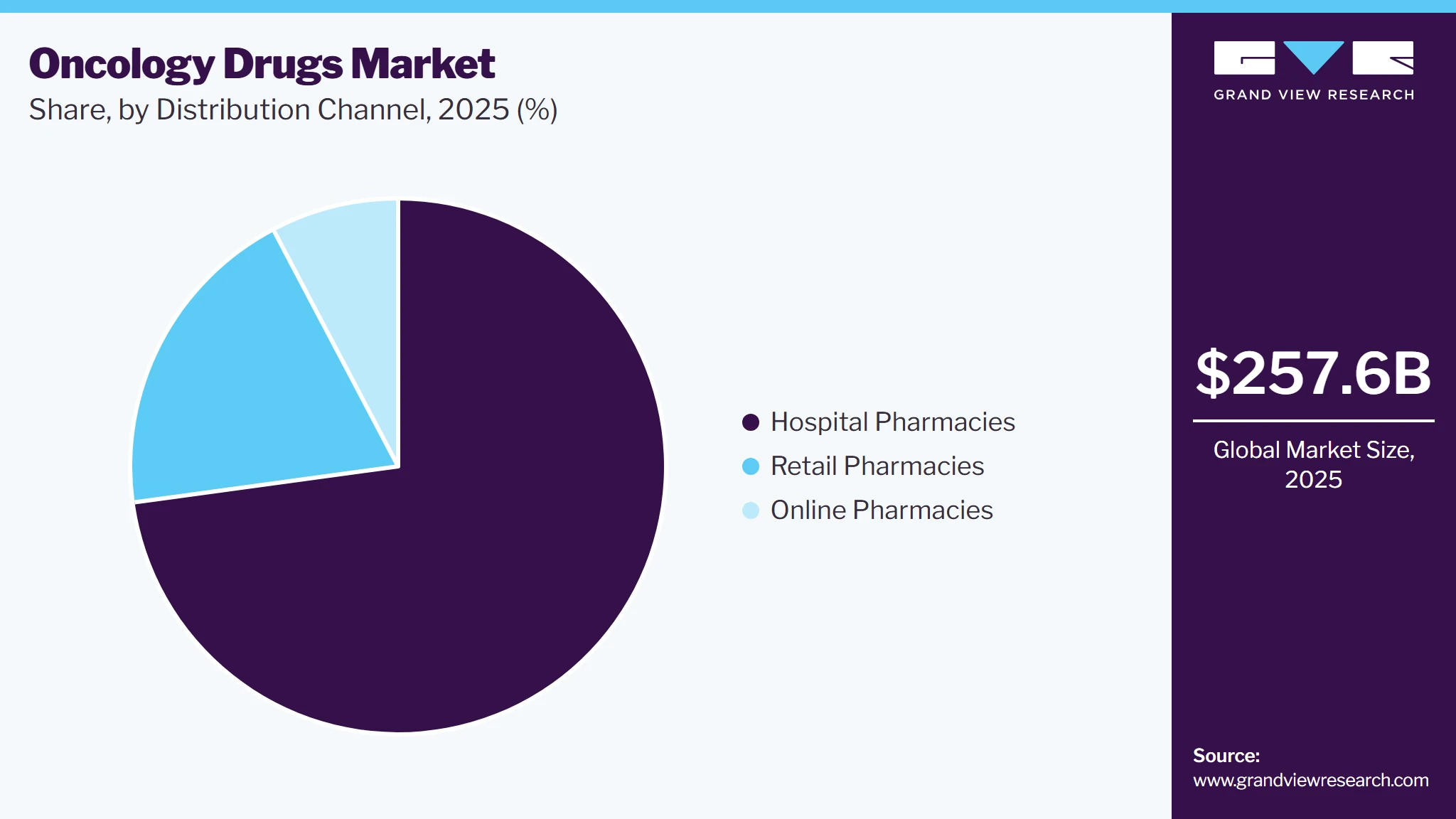
The hospital pharmacies segment led the market with the largest revenue share of 72.8% in 2025. The segment holds its leading position through the extensive administration of chemotherapy, immunotherapy, biologics, and cell-based therapies within hospitals and specialized oncology centers. Many oncology medicines require controlled storage, specialized preparation, and close clinical monitoring before administration. Hospital pharmacies coordinate multidisciplinary treatment plans and ensure the timely availability of complex cancer therapies. Oncology specialists rely on hospital pharmacy services for accurate dosing, medication management, and supportive care throughout treatment. The increasing adoption of personalized cancer therapies continues to underscore the importance of hospital-based drug distribution. The growing number of infusion therapies further reinforces the segment's dominant market position.
 To learn more about this report, Download Free Sample Report
The online pharmacies segment is projected to grow at the fastest CAGR of 13.5% during the forecast period. Growth is supported by increasing demand for convenient access to oral oncology medicines and supportive care products. Digital pharmacy platforms are expanding prescription fulfillment services, home delivery options, and medication management programs for cancer patients receiving long-term treatment. Improved adoption of digital healthcare has increased patient confidence in online pharmaceutical services. Pharmaceutical companies and pharmacy providers continue to strengthen secure distribution networks for specialty medicines. Expansion of telemedicine has further supported electronic prescription services for eligible oncology patients. Continued growth in digital healthcare ecosystems is expected to accelerate the adoption of online pharmacies within the oncology drugs industry.
Regional Insights
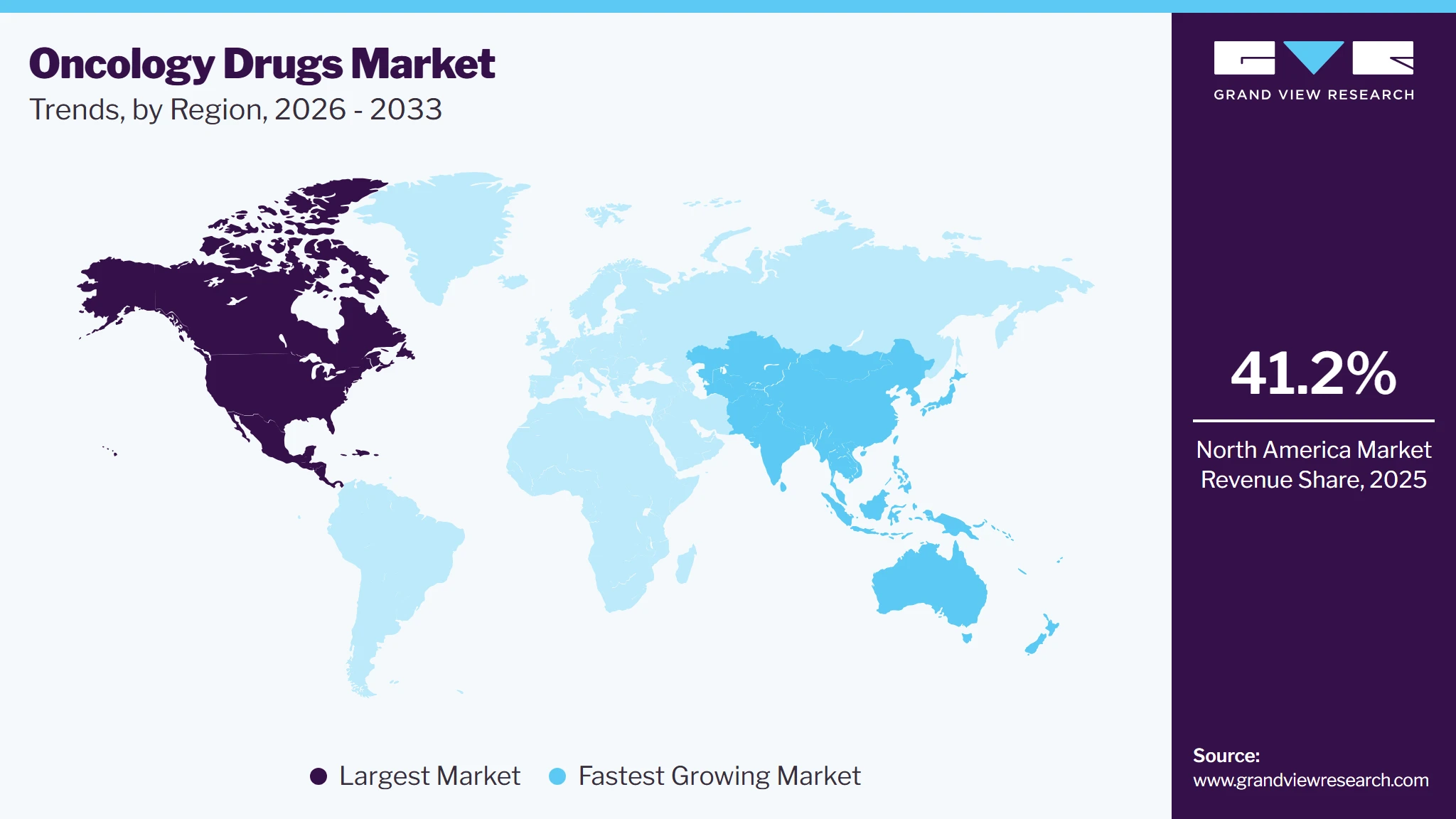
North America dominated the global oncology drugs market with the largest revenue share of 41.2% in 2025, driven by its advanced oncology care ecosystem and broad availability of innovative therapies. The region has a high adoption rate of targeted therapies, immunotherapies, and cell based treatments across major cancer centers. Strong investment in oncology research continues to support the development of novel drug candidates and the expansion of treatment indications. Widespread use of genomic profiling has improved patient selection for precision medicine. High cancer prevalence sustains demand for effective treatment options across multiple tumor types. Leading pharmaceutical companies maintain extensive commercialization activities throughout the region.
 To learn more about this report, Download Free Sample Report
U.S. Oncology Drugs Market Trends
The oncology drugs market in the U.S. accounted for the largest market revenue share in North America in 2025, driven by its extensive portfolio of approved oncology drugs and rapid adoption of advanced therapies. Large investments in oncology clinical trials continue to strengthen the product pipeline. Precision medicine has become an established component of cancer treatment across major healthcare institutions. High utilization of companion diagnostics supports broader use of biomarker-driven therapies. Strong participation from global pharmaceutical companies increases access to innovative medicines. Continuous launches of novel therapies sustain market expansion.
Europe Oncology Drugs Market Trends
The oncology drugs market in Europe maintained a significant position through established cancer treatment infrastructure and strong adoption of innovative therapeutics. Precision oncology has expanded across major healthcare systems through greater use of molecular diagnostics. Pharmaceutical companies continue to introduce new oncology products across multiple European countries. Rising cancer incidence contributes to sustained demand for effective treatment options. Increased availability of biosimilars supports broader patient access across several therapy classes. Ongoing clinical research strengthens long-term market development.
The UK oncology drugs market is increasing due to the integration of precision medicine into routine clinical practice. Biomarker testing has become more common across several cancer indications. Growing use of immunotherapies and targeted therapies has improved treatment options for eligible patients. Academic research organizations continue to contribute to oncology clinical development. Strong collaboration between healthcare providers and pharmaceutical companies supports innovation. Expanding use of personalized treatment strategies continues to shape market growth.
The oncology drugs market in Germany held a significant share of the European market in 2025, due to its advanced healthcare infrastructure and broad access to innovative cancer therapies. Oncology specialists increasingly utilize targeted therapies for molecularly defined cancers. High participation in international clinical trials supports early access to emerging treatments. Demand for biologic therapies continues to increase across multiple cancer types. Strong pharmaceutical manufacturing capabilities contribute to commercial activity. Continuous product launches strengthen market competitiveness.
The France oncology drugs market maintained a stable position in the European market with growing adoption of personalized cancer treatment approaches. The increasing use of molecular diagnostics has improved treatment selection across various tumor types. Demand for innovative biologics continues to rise in specialized oncology centers. Pharmaceutical companies actively expand their oncology portfolios through new product introductions. Clinical research activities remain focused on improving long-term patient outcomes. Broader availability of advanced therapies supports market expansion.
Asia Pacific Oncology Drugs Market Trends
The oncology drugs market in the Asia Pacific is projected to grow at the fastest CAGR of 12.8% during the forecast period. Rising cancer incidence is increasing demand for advanced treatment options across the region. Healthcare providers are expanding access to targeted therapies and immunotherapies in major urban centers. Pharmaceutical companies continue to increase clinical research and commercial investments in key countries. The growing adoption of precision diagnostics supports personalized treatment strategies. Expanding healthcare infrastructure creates additional opportunities for market growth.
The Japan oncology drugs market is driven by strong adoption of innovative cancer medicines and precision treatment approaches. Oncology specialists increasingly utilize biomarker-guided therapies across multiple cancer types. Pharmaceutical companies continue to introduce advanced biologics and targeted therapies. Clinical research remains active across both domestic and multinational studies. The aging population contributes to sustained demand for oncology treatment. Continued innovation supports long-term market development.
The oncology drugs market in China is experiencing rapid growth, driven by increasing demand for innovative therapies among a large patient population. Pharmaceutical companies are expanding oncology research and commercial operations throughout the country. Greater adoption of molecular diagnostics supports the use of precision oncology treatments. Domestic biotechnology companies continue to strengthen their oncology pipelines through innovative drug development. Expansion of specialized cancer hospitals increases access to advanced therapies. Growing clinical trial activity contributes to future market opportunities.
Latin America Oncology Drugs Market Trends
The oncology drugs market in Latin America is experiencing steady growth, driven by improving access to modern cancer therapies across several countries. Rising awareness of early cancer diagnosis is increasing treatment demand. Pharmaceutical companies continue to expand their regional oncology portfolios. Greater availability of targeted therapies is improving treatment options for selected patient populations. Private healthcare providers contribute to the wider adoption of innovative medicines. Ongoing investment in oncology services supports market growth.
The Brazil oncology drugs market held a significant share in Latin America in 2025, through its expanding oncology treatment network and increasing use of advanced therapies. Demand for biologics and targeted therapies continues to increase across major cancer centers. Pharmaceutical companies maintain strong commercial operations within the country. Clinical research activities support the introduction of innovative oncology medicines. Growing cancer prevalence sustains demand across multiple therapeutic categories. Expanding diagnostic capabilities improves access to personalized treatment approaches.
Middle East & Africa Oncology Drugs Market Trends
The oncology drugs market in the Middle East and Africa is gradually expanding, driven by the increasing adoption of advanced cancer treatment options across major healthcare facilities. Demand for innovative oncology medicines continues to rise in leading regional markets. Pharmaceutical companies are strengthening their presence through strategic partnerships and expanded distribution networks. Improvements in diagnostic capabilities support earlier identification of cancer cases. Specialized oncology centers are increasing the use of targeted therapies. Continued healthcare modernization supports long-term market development.
The Saudi Arabia oncology drugs market is anticipated to grow at a substantial CAGR during the forecast period, through expanding cancer care services and increasing adoption of innovative therapies. Healthcare providers continue to integrate precision medicine into oncology practice across specialized hospitals. Demand for targeted therapies and immunotherapies is increasing among eligible patient populations. Pharmaceutical companies are expanding commercial activities and product availability within the country. Growth in oncology diagnostics supports personalized treatment selection. Rising investment by healthcare providers in specialized cancer services continues to strengthen market potential.
Key Oncology Drugs Company Insights
The oncology drugs industry is moderately concentrated, with leading multinational pharmaceutical companies competing through broad oncology portfolios, continuous innovation, and global commercialization capabilities. Roche Holding AG, Merck & Co., Inc., AstraZeneca PLC, and Bristol Myers Squibb maintain strong market positions through extensive offerings in immunotherapy, targeted therapy, and precision oncology, supported by robust clinical development pipelines.
Pfizer Inc., Novartis AG, Johnson & Johnson, Eli Lilly and Company, GSK plc, and Amgen Inc. enhance competition through strategic collaborations, product launches, indication expansions, and investments in next-generation oncology therapies, including antibody drug conjugates and cell therapies.
Competition is driven by clinical efficacy, biomarker-guided treatments, pipeline strength, and portfolio diversification. Biosimilars and generic oncology drugs are increasing competitive intensity following patent expirations, supporting wider treatment availability and continued market growth across developed and emerging healthcare markets.
Key Oncology Drugs Companies
The following key companies have been profiled for this study on the oncology drugs market.
-
Roche Holding AG
-
Merck & Co., Inc.
-
AstraZeneca PLC
-
Bristol Myers Squibb
-
Pfizer Inc.
-
Novartis AG
-
Johnson & Johnson
-
Eli Lilly and Company
-
GSK plc
-
Amgen Inc.
Competitive Benchmarking
Operating Strategies
Competitive Edge
Weaknesses
Mature Players: Roche Holding AG
- Mature companies focus on strengthening their oncology portfolios through immunotherapies, targeted therapies, antibody drug conjugates, and precision oncology medicines.
- Their strategies include expanding approved indications, generating additional clinical evidence, accelerating late-stage pipeline development, obtaining regulatory approvals across new markets, and strengthening partnerships with healthcare providers and research organizations.
- These companies benefit from established oncology brands, diversified product portfolios, global commercial infrastructure, and extensive experience in cancer drug development.
- Their strong clinical development capabilities, biomarker-driven treatment expertise, strategic collaborations, and integrated diagnostic solutions support sustained market leadership.
- Mature companies face increasing pricing pressure from biosimilars, generic oncology drugs, and growing competition across established therapeutic categories.
- High research and development costs, complex biologic manufacturing, and lengthy clinical development timelines increase operational expenses and commercialization risks.
Emerging Players: GSK plc
- Emerging players focus on expanding their oncology presence through targeted therapies, radioligand therapies, cell therapies, product launches, and strategic licensing agreements.
- They emphasize pipeline diversification, manufacturing expansion, acquisitions, global clinical trials, and collaborations with biotechnology companies to strengthen commercial capabilities.
- These companies compete through rapidly expanding oncology pipelines, innovative biologics, flexible business development strategies, and growing global commercial operations.
- Their expertise in precision medicine, radiopharmaceuticals, antibody drug conjugates, and next-generation immunotherapies supports competitive differentiation across high-value oncology segments.
- Emerging players have smaller oncology portfolios than established market leaders across several major cancer therapy categories.
- Significant investment requirements for clinical development, biologic manufacturing, and commercialization may slow portfolio expansion and market penetration.
Recent Developments
-
In July 2026, AstraZeneca announced that it had entered into an exclusive global licensing agreement with Dizal Pharmaceutical Co., Ltd. for Zegfrovy (sunvozertinib), a novel oral irreversible EGFR inhibitor approved in the U.S. and China for adults with locally advanced or metastatic non-small cell lung cancer harboring EGFR exon 20 insertion mutations after platinum-based chemotherapy.
-
In June 2026, Roche announced that the U.S. Food and Drug Administration had accepted the New Drug Application for giredestrant under Priority Review for adults with estrogen receptor-positive, HER2-negative, stage I to III early breast cancer. The Phase III lidERA trial showed a 30% reduction in the risk of invasive disease recurrence or death (HR 0.70; 95% CI 0.57 to 0.87; p=0.0014). At 3 years, invasive disease-free survival reached 92.4% versus 89.6% with standard endocrine therapy.
-
In May 2026, Merck announced that the Phase 3 TroFuse-005 trial evaluating sacituzumab tirumotecan (sac-TMT) met its primary endpoints of overall survival and progression-free survival in patients with advanced or recurrent endometrial cancer. The study became the first global Phase 3 trial and the first TROP2 antibody drug conjugate to demonstrate statistically significant improvements in both endpoints compared with the physician's choice chemotherapy.
Oncology Drugs Market Report Scope
Report Attribute
Details
Market size in 2025
USD 257.6 billion
Estimated market size in 2026
USD 280.7 billion
Projected market size by 2033
USD 541.6 billion
Growth rate
CAGR of 9.8% from 2026 to 2033
Base year for estimation
2025
Historical data
2021 - 2024
Forecast period
2026 - 2033
Quantitative units
Revenue in USD million/billion, and CAGR from 2026 to 2033
Report coverage
Revenue forecast, company ranking, competitive landscape, growth factors, trends
Segments covered
Drug class, cancer type, Route of Administration, drug type, distribution channel, region
Regional scope
North America; Europe; Asia Pacific; Latin America; Middle East & Africa
Country scope
U.S.; Canada; Mexico; UK; Germany; France; Italy; Spain; Denmark; Sweden; Norway; China; Japan; India; Australia; South Korea; Thailand; Brazil; Argentina; South Africa; Saudi Arabia; UAE; Kuwait
Key company profiled
Roche Holding AG; Merck & Co., Inc.; AstraZeneca PLC; Bristol Myers Squibb; Pfizer Inc.; Novartis AG; Johnson & Johnson; Eli Lilly and Company; GSK plc; Amgen Inc.
Customization scope
Free report customization (equivalent up to 8 analysts working days) with purchase. Addition or alteration to country, regional & segment scope.
Pricing and purchase options
Avail customized purchase options to meet your exact research needs. Explore purchase options
Global Oncology Drugs Market Report Segmentation
This report forecasts revenue growth at global, regional, and country levels and provides an analysis of the latest industry trends in each of the sub-segments from 2021 to 2033. For this study, Grand View Research has segmented the global oncology drugs market report based on drug class, cancer type, route of administration, drug type, distribution channel, and region:
-
Drug Class Outlook (Revenue, USD Billion, 2021 - 2033)
-
Chemotherapy
-
Targeted Therapy
-
Immunotherapy
-
Hormonal Therapy
-
Radiopharmaceuticals
-
Cell & Gene Therapy
-
Others
-
-
Cancer Type Outlook (Revenue, USD Billion, 2021 - 2033)
-
Solid Tumors
-
Hematologic Malignancies
-
-
Route of Administration Outlook (Revenue, USD Billion, 2021 - 2033)
-
Oral
-
Injectable
-
Others
-
-
Drug Type Outlook (Revenue, USD Billion, 2021 - 2033)
-
Branded
-
Generic & Biosimilar
-
-
Distribution Channel Outlook (Revenue, USD Billion, 2021 - 2033)
-
Hospital Pharmacies
-
Retail Pharmacies
-
Online Pharmacies
-
-
Regional Outlook (Revenue, USD Billion, 2021 - 2033)
-
North America
-
U.S.
-
Canada
-
Mexico
-
-
Europe
-
UK
-
Germany
-
France
-
Italy
-
Spain
-
Denmark
-
Sweden
-
Norway
-
-
Asia Pacific
-
Japan
-
China
-
India
-
Australia
-
South Korea
-
Thailand
-
-
Latin America
-
Brazil
-
Argentina
-
-
Middle East & Africa
-
South Africa
-
Saudi Arabia
-
UAE
-
Kuwait
-
-
Research Methodology
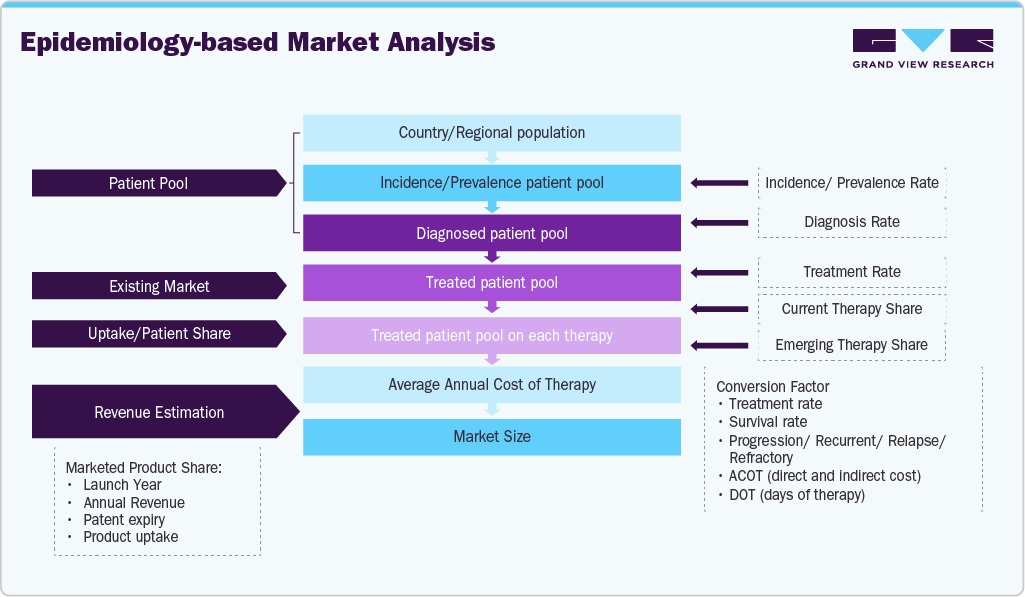
The oncology drugs market figures in this report are based on a proven research process that combines executive interviews with secondary research from proprietary databases, company filings, and recognized regulatory and institutional sources. Market size is built through value-chain sizing-reconciling supply-side and demand-side estimates-and triangulated with bottom-up and top-down approaches. Every estimate passes multiple levels of expert validation before publication, with each oncology drugs segment quantified using the revenue-capture definitions in the table below.
Segment Definition
Drug Class
Revenue capture definition
Chemotherapy
Includes conventional cytotoxic drugs used for the treatment of solid tumors and hematologic malignancies. This segment covers alkylating agents, antimetabolites, anthracyclines, taxanes, platinum compounds, and other chemotherapy agents administered as monotherapy or combination therapy to inhibit cancer cell growth and proliferation.
Targeted Therapy
Includes drugs designed to selectively inhibit molecular targets, genetic mutations, or signaling pathways involved in cancer progression. This segment covers tyrosine kinase inhibitors, monoclonal antibodies, PARP inhibitors, CDK inhibitors, and other targeted therapies used across multiple cancer indications.
Immunotherapy
Includes therapies that stimulate or enhance the body's immune system to recognize and eliminate cancer cells. This segment covers immune checkpoint inhibitors, immune modulators, cytokine therapies, therapeutic cancer vaccines, and other immuno-oncology drugs used for treating solid tumors and hematologic malignancies.
Hormonal Therapy
Includes endocrine therapies used to suppress hormone production or block hormone receptor activity in hormone sensitive cancers. This segment covers aromatase inhibitors, antiestrogens, androgen deprivation therapies, antiandrogens, and other hormonal agents primarily indicated for breast and prostate cancers.
Radiopharmaceuticals
Includes radioactive therapeutic agents that selectively deliver radiation to cancer cells while minimizing exposure to surrounding healthy tissues. This segment covers radioligand therapies, radionuclide therapies, and other radioactive oncology drugs used for metastatic and advanced cancers.
Cell & Gene Therapy
Includes advanced therapies that modify immune cells or genetic material to treat cancer. This segment covers CAR T cell therapies, tumor infiltrating lymphocyte therapies, gene modified immune cell therapies, and other cell and gene therapies indicated for hematologic malignancies and selected solid tumors.
Others
Includes oncology drugs that do not fall within the above therapeutic classes, including oncolytic virus therapies, cancer vaccines, novel biologics, investigational therapies, and other emerging anticancer treatments with distinct mechanisms of action.
Cancer Type
Revenue capture definition
Solid Tumors
Includes oncology drugs indicated for cancers originating in solid organs and tissues. This segment covers therapies used for breast, lung, colorectal, prostate, liver, gastric, pancreatic, ovarian, renal, melanoma, head and neck, and other solid tumor malignancies.
Hematologic Malignancies
Includes oncology drugs used for cancers affecting blood, bone marrow, and the lymphatic system. This segment covers therapies indicated for leukemia, lymphoma, multiple myeloma, myelodysplastic syndromes, and other hematologic cancers.
Route of Administration
Revenue capture definition
Oral
Includes oncology drugs administered orally as tablets, capsules, or oral solutions. This segment covers targeted therapies, hormonal therapies, oral chemotherapy agents, and other anticancer medicines intended for outpatient and long term treatment.
Injectable
Includes oncology drugs administered through intravenous, subcutaneous, intramuscular, or other injectable routes. This segment covers chemotherapy, biologics, immunotherapies, antibody drug conjugates, radiopharmaceuticals, and cell therapies administered under clinical supervision.
Others
Includes oncology therapies administered through alternative routes that are not classified as oral or injectable. This segment covers intravesical, intraperitoneal, topical, and other specialized administration methods used for selected cancer indications.
Drug Type
Revenue capture definition
Branded
Includes patented and proprietary oncology drugs marketed under registered brand names. This segment covers innovative small molecules, biologics, targeted therapies, immunotherapies, radiopharmaceuticals, and cell and gene therapies protected by intellectual property rights.
Generic & Biosimilar
Includes generic oncology drugs and biosimilar biologics approved following patent expiry of reference products. This segment covers therapeutically equivalent medicines that improve affordability and expand patient access across multiple oncology indications.
Distribution Channel
Revenue capture definition
Hospital Pharmacies
Includes oncology drugs dispensed through hospital pharmacies, cancer centers, and specialty treatment facilities. This segment covers chemotherapy, biologics, immunotherapies, radiopharmaceuticals, cell therapies, and other specialty oncology medicines administered during inpatient and outpatient care.
Retail Pharmacies
Includes oncology drugs distributed through community and retail pharmacy networks. This segment primarily covers oral oncology medicines, hormonal therapies, supportive oncology drugs, and selected specialty medicines prescribed for outpatient treatment.
Online Pharmacies
Includes oncology drugs supplied through licensed online pharmacy platforms and digital prescription fulfillment services. This segment covers home delivery of eligible oral oncology medicines, supportive care therapies, and specialty pharmaceuticals prescribed for ambulatory cancer patients.
Estimation Model
 To learn more about this report, Download Free Sample Report
Delivered Customization
This report has been delivered with the following In-depth customizations
Client Request
Customization Delivered
Value Adds
Global Oncology Drugs Market Opportunity Assessment (U.S., Europe & Asia Pacific)
Conducted a comprehensive assessment of oncology drug opportunities across the U.S., Germany, France, the UK, China, Japan, and India. The study evaluated cancer incidence, treatment adoption, prescribing trends, precision medicine uptake, product availability, pricing benchmarks, reimbursement landscape, distribution channels, and competitive positioning across major healthcare markets.
Helped the client identify high-growth therapeutic segments, evaluate regional commercialization strategies, assess competitive positioning, and prioritize market expansion. The study also supported long-term business planning by identifying unmet clinical needs, emerging treatment trends, and commercial opportunities across developed and emerging oncology industry.
Oncology Drug Pipeline & Competitive Benchmarking
Delivered a detailed benchmarking assessment of approved and pipeline oncology therapies across chemotherapy, targeted therapies, immunotherapies, hormonal therapies, radiopharmaceuticals, and cell and gene therapies. The assessment covered clinical pipeline progress, licensing activities, strategic collaborations, patent landscape, manufacturing capabilities, portfolio positioning, and commercialization opportunities across major global pharmaceutical companies.
Enabled the client to identify licensing, acquisition, and partnership opportunities, evaluate product pipeline strength, and prioritize investment decisions across oncology therapy areas. The analysis also supported portfolio optimization, competitive intelligence, and long-term commercialization strategies within the global oncology drugs industry.
Emerging Market Oncology Drug Accessibility & Commercial Feasibility Study
Conducted a country-level feasibility assessment for expanding oncology drug access across Brazil, Saudi Arabia, South Africa, Indonesia, Mexico, and the UAE. The study analyzed oncology care infrastructure, treatment accessibility, product availability, diagnostic capabilities, distribution networks, physician adoption, and healthcare delivery systems influencing oncology drug commercialization.
Supported market entry planning by identifying regions with increasing oncology treatment demand, infrastructure gaps, distribution opportunities, and evolving cancer care capabilities. The study also helped optimize resource allocation, strengthen regional expansion strategies, and identify long-term commercial opportunities across underserved oncology industry.
Frequently Asked Questions About This Report
The global oncology drugs market size was valued at USD 257.6 billion in 2025 and is estimated at USD 280.7 billion for 2026.
The global oncology drugs market is expected to grow at a CAGR of 9.8% from 2026 to 2033, reaching USD 541.6 billion by 2033.
Key factors include the rising global cancer burden, increasing adoption of precision medicine, growing use of targeted therapies and immunotherapies, advances in biomarker testing and genomic profiling, and continued investment in innovative oncology treatments.
North America dominated the oncology drugs market with a 41.2% revenue share in 2025, supported by advanced oncology infrastructure, high adoption of innovative therapies, and strong investment in cancer research.
Asia Pacific is the fastest-growing regional market, with a projected CAGR of 12.8% during the forecast period, driven by rising cancer incidence, expanding healthcare infrastructure, and increasing access to targeted and immunotherapy treatments.
The chemotherapy segment led the oncology drugs market with a 31.5% revenue share in 2025, while cell & gene therapy is projected to be the fastest-growing drug class, with a 17.5% CAGR during the forecast period.
Solid tumors held the largest market share at 35.1% in 2025, while hematologic malignancies are projected to be the fastest-growing cancer type, with an 11.7% CAGR during the forecast period.
The injectable segment led the oncology drugs market with a 54.2% revenue share in 2025.
Key players include Roche Holding AG, Merck & Co., Inc., AstraZeneca PLC, Bristol Myers Squibb, Pfizer Inc., Novartis AG, Johnson & Johnson, Eli Lilly and Company, GSK plc, and Amgen Inc.
About the Author(s)
Pharmaceuticals Research Team
Healthcare · PharmaceuticalsThis report was authored by the pharmaceuticals research team at Grand View Research - comprising two research analysts, one senior research analyst, and one industry expert - with specialized expertise in the pharmaceuticals segment of the healthcare industry. All findings are based on proprietary healthcare databases, executive interviews, and regulatory analysis, subject to internal peer review prior to publication.
Last Updated:
Speak to Analyst

Customize this report to your needs - add regions, segments, or data points, with 20% free customization.
Or view our licence options:


ISO 9001:2015 & 27001:2022 Certified
We are GDPR and CCPA compliant! Your transaction & personal information is safe and secure. For more details, please read our privacy policy.


