
- Home
- »
- Medical Devices
- »
-
Nucleic Acid Therapeutics Contract Manufacturing Market Report, 2026-2033GVR Report cover

Nucleic Acid Therapeutics Contract Manufacturing Market (2026 - 2033)
Size, Share & Trends Analysis Report By Type (Gene Therapy, RNA-based Therapies), By Service (Regulatory Support), By End Use, By Application, By Region, And Segment Forecasts
Market Size, 2025
$11.0BMarket Estimate, 2026
$12.3BMarket Forecast, 2033
$33.8BCAGR, 2026–2033
15.6%Nucleic Acid Therapeutics Contract Manufacturing Market Summary
The global nucleic acid therapeutics contract manufacturing market size was valued at USD 11.0 billion in 2025 and is projected to grow from USD 12.3 billion in 2026 to USD 33.8 billion by 2033, at a CAGR of 15.6% from 2026 to 2033. The market in North America dominated with a revenue share of 47.4% in 2025. The market is witnessing growth driven by growing biopharmaceutical outsourcing trends, rising demand for mRNA and gene therapies, and technological advancements in manufacturing.
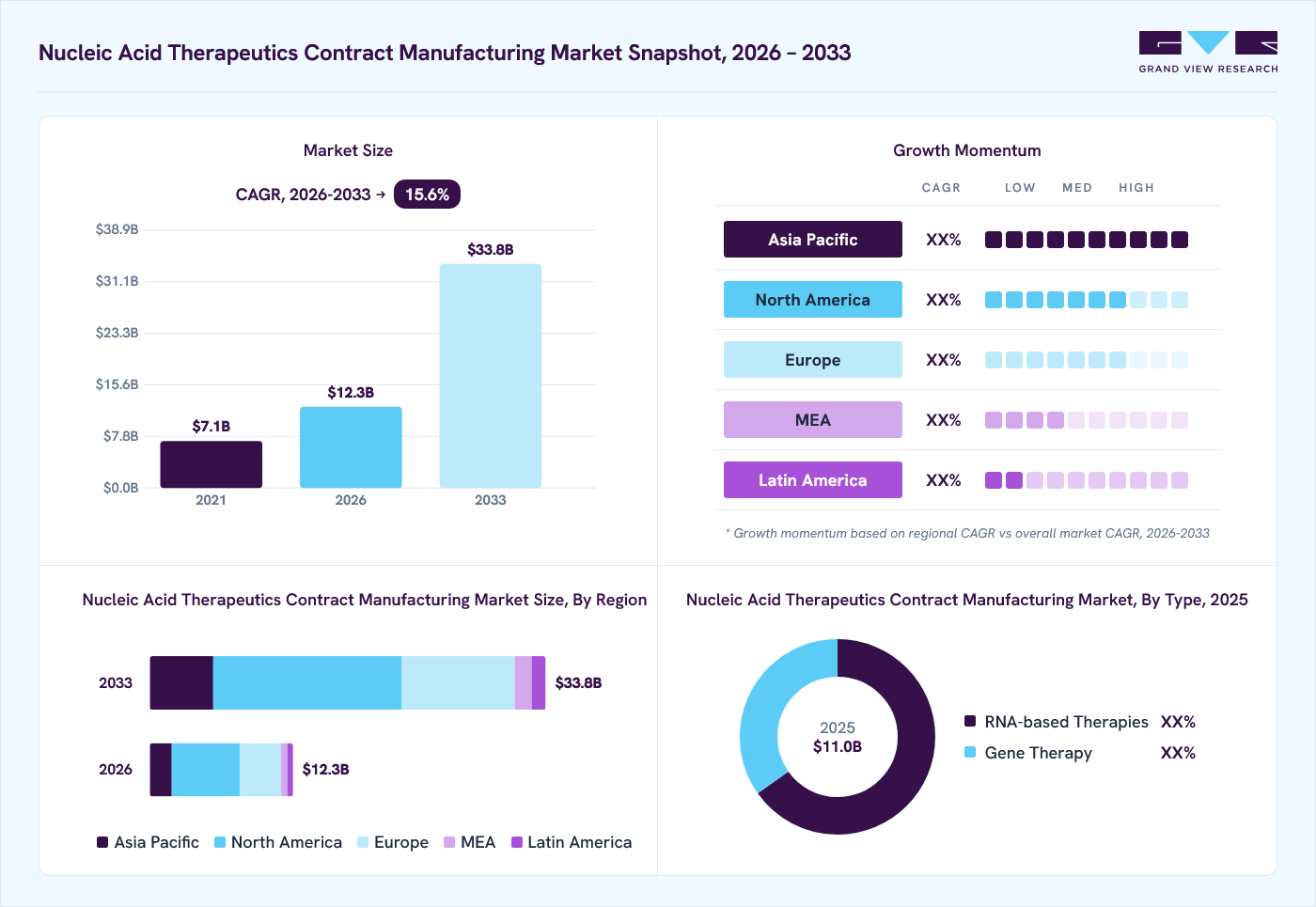 Source: Grand View Research, IR Documents, Primary Interviews, Paid DatabasesTo learn more about this report,
 Download Free Sample Report
Key Market Trends & Insights
- By type: RNA-based therapies segment held the largest market share of 65.1% in 2025.
- By service: GMP manufacturing segment held the largest market share of 36.1% in 2025.
- By application: Genetic disorders segment held the largest market share of 33.9% in 2025.
- By end use: Large biopharmaceutical companies segment held the largest market share of 46.1% in 2025.
Regional Highlights
- Largest regional market: North America (47.4% revenue share, 2025)
- By country: The U.S. held the largest market share in 2025
Market Size & Forecast
- Market size in 2025: USD 11.0 Billion
- Estimated market size in 2026: USD 12.3 Billion
- Projected market size by 2033: USD 33.8 Billion
- CAGR (2026-2033): 15.6%
Prism AI by Grand View Research Free to tryAsk a question about the nucleic acid therapeutics contract manufacturing marketTry asking✓Every figure cited from GVR research Prefer the report? Download free sample →
Increasing regulatory support and government incentives are among the other factors driving market growth. In the global market, shifting trends towards outsourcing activities by biopharmaceutical companies to contract manufacturers are expected to drive market growth. This outsourcing activity reduces operational costs, accelerates time-to-market, and utilizes specialized expertise in nucleic acid production. According to an article published in July 2025, 82.6% of cell and gene therapy (CGT) companies outsource at least part of their biologics manufacturing, marking record-high levels of reliance on external contract manufacturing services.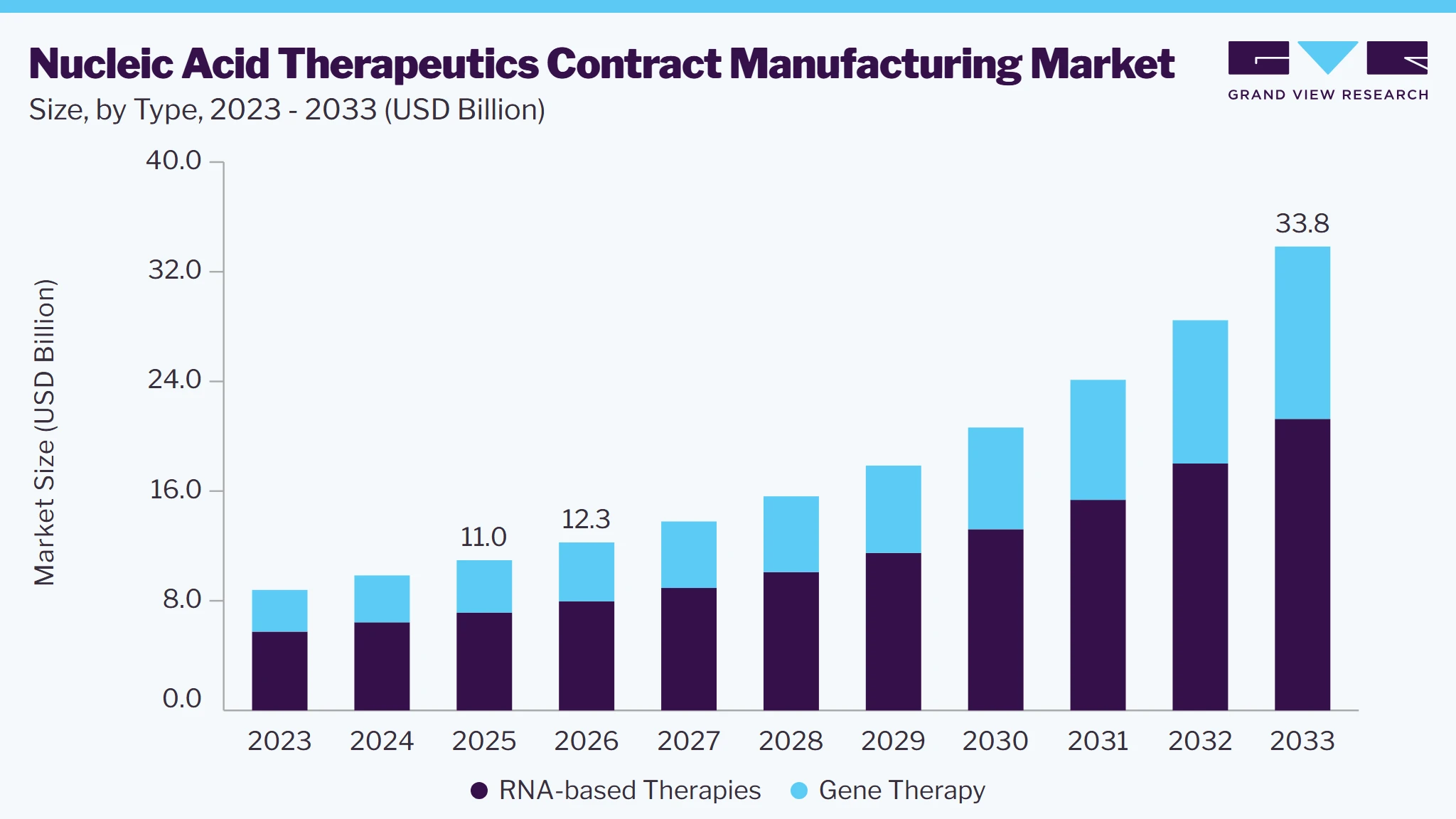 To learn more about this report, Download Free Sample Report
In addition, outsourcing activities is also driven by the high complexity of mRNA, plasmid DNA, and oligonucleotide therapeutics, which require GMP-certified facilities, skilled personnel, and advanced technologies. Thus, contract manufacturers are witnessing an increasing requirement for integrated services, including process development, analytical testing, and commercial-scale manufacturing. In addition, outsourcing enables pharmaceutical firms to concentrate on research and development, ensuring that regulatory compliance and quality standards are met.
Moreover, the growing prevalence of chronic, rare, and infectious diseases drives the demand for advanced therapeutics, including mRNA vaccines, gene therapies, and oligonucleotide drugs. According to data on global genes, approximately 400 million people worldwide are affected by rare diseases, and 95% of these conditions currently lack FDA-approved treatments. The high prevalence of rare diseases and the lack of FDA-approved treatments are further driving market growth, with increased demand for innovative therapies. Furthermore, most pharmaceutical and biotech companies seeking to meet this demand are outsourcing production to specialized contract manufacturers. As a result, contract manufacturers experience higher utilization of GMP facilities, expanded manufacturing capacity, and increased investment in specialized technologies such as lipid nanoparticle (LNP) formulation and automated bioprocessing. Thus, such advancements accelerate development timelines, improve product quality, and enable faster initiation of clinical trials, contributing to global market growth.
Moreover, rapid innovations in biomanufacturing, such as automated single-use systems, AI-driven process optimization, continuous manufacturing, and lipid nanoparticle (LNP) delivery technologies, enhance efficiency, scalability, and product consistency. For instance, in March 2023, WACKER, CordenPharma, LMU, and HU Berlin launched a USD 1.51 million project to accelerate RNA drug development, using machine learning, to optimize lipid nanoparticle (LNP) formulations, reducing costs and development time for mRNA, saRNA, and circRNA therapeutics targeting vaccines, cancer, and hereditary diseases. This initiative highlights the growing role of advanced technologies, such as AI-driven formulation and LNP optimization, in streamlining nucleic acid drug development. Therefore, pharmaceutical companies increasingly outsource complex processes to contract manufacturers and CDMOs with advanced capabilities, driving demand for contract manufacturing services. The integration of advanced analytics, high-throughput screening, and digital monitoring further strengthens contract manufacturers’ ability to support global production needs, positioning them as essential partners in delivering high-quality, safe, and effective nucleic acid therapeutics to market rapidly.
Market Dynamics
The market is witnessing growth driven by growing biopharmaceutical outsourcing trends, rising demand for mRNA and gene therapies, and technological advancements in manufacturing. Increasing regulatory support and government incentives are among the other factors driving market growth. In the global market, shifting trends towards outsourcing activities by biopharmaceutical companies to contract manufacturers are expected to drive market growth. This outsourcing activity reduces operational costs, accelerates time-to-market, and utilizes specialized expertise in nucleic acid production. In addition, the growing prevalence of chronic, rare, and infectious diseases drives the demand for advanced therapeutics, including mRNA vaccines, gene therapies, and oligonucleotide drugs. Moreover, rapid innovations in biomanufacturing, such as automated single-use systems, AI-driven process optimization, continuous manufacturing, and lipid nanoparticle (LNP) delivery technologies, enhance efficiency, scalability, and product consistency.
The rapid advancement of RNA-based therapeutics has significantly increased the need for expanded Good Manufacturing Practice (GMP) manufacturing capacity across the nucleic acid therapeutics contract manufacturing market. Besides, growing clinical and commercial demand for mRNA vaccines, siRNA therapies, antisense oligonucleotides, and gene-editing products has created substantial pressure on existing production infrastructure. As a result, contract development and manufacturing organizations (CDMOs) are heavily investing in new GMP-compliant facilities, advanced cleanroom environments, high-throughput production systems, and specialized analytical capabilities to support large-scale RNA manufacturing.
Biopharmaceutical companies increasingly prefer outsourcing to CDMOs with established GMP expertise because RNA therapeutics require highly controlled production processes, stringent contamination management, and complex formulation technologies. In addition, the expansion of late-stage clinical pipelines and commercialization activities is driving the need for scalable manufacturing solutions that meet global regulatory standards. Many manufacturers are also adopting modular and flexible production facilities to accelerate turnaround times and support multi-product operations. This growing expansion of GMP manufacturing capacity is enhancing production efficiency, reducing supply constraints, and enabling faster development and commercialization of innovative nucleic acid therapeutics across the globe.
High production complexity and manufacturing costs remain significant restraints for the nucleic acid therapeutics contract manufacturing market. The production of RNA- and DNA-based therapeutics, including mRNA vaccines, siRNA therapies, antisense oligonucleotides, and gene-editing products, involves highly specialized manufacturing processes, advanced equipment, and stringent quality control systems. Maintaining GMP-compliant environments, contamination-free production, and precise synthesis conditions substantially increases operational expenses for contract manufacturers.
In addition, nucleic acid therapeutics often require complex formulation technologies such as lipid nanoparticle (LNP) delivery systems, sophisticated purification methods, and cold-chain storage infrastructure, all of which contribute to higher production costs. The limited availability of skilled professionals with expertise in RNA chemistry, bioprocess engineering, and regulatory compliance further adds to operational challenges. Small and mid-sized biotechnology companies may find it difficult to afford large-scale outsourcing services, particularly during early-stage development.
Moreover, scaling up production from clinical to commercial volumes remains technically demanding and resource-intensive. These factors can lead to longer manufacturing timelines, reduced profit margins, and increased pricing pressure, thereby restraining broader market expansion and limiting accessibility to advanced nucleic acid therapeutics.
The market presents significant opportunities driven by the expanding pipeline of mRNA, siRNA, and gene-editing therapies. The growing demand for personalized and precision medicines, combined with limited in-house capabilities among biotech companies, is driving outsourcing to specialized contract manufacturers. Advancements in lipid nanoparticle (LNP) delivery, AI-driven formulation, and automated synthesis are enhancing efficiency and scalability. In addition, growing government funding, strategic collaborations, and regulatory support for novel therapies are boosting market potential. Moreover, emerging markets in Asia-Pacific and the Middle East are also investing heavily in biomanufacturing infrastructure, creating lucrative opportunities for global contract manufacturers to expand capacity and service portfolios.
Market Concentration & Characteristics
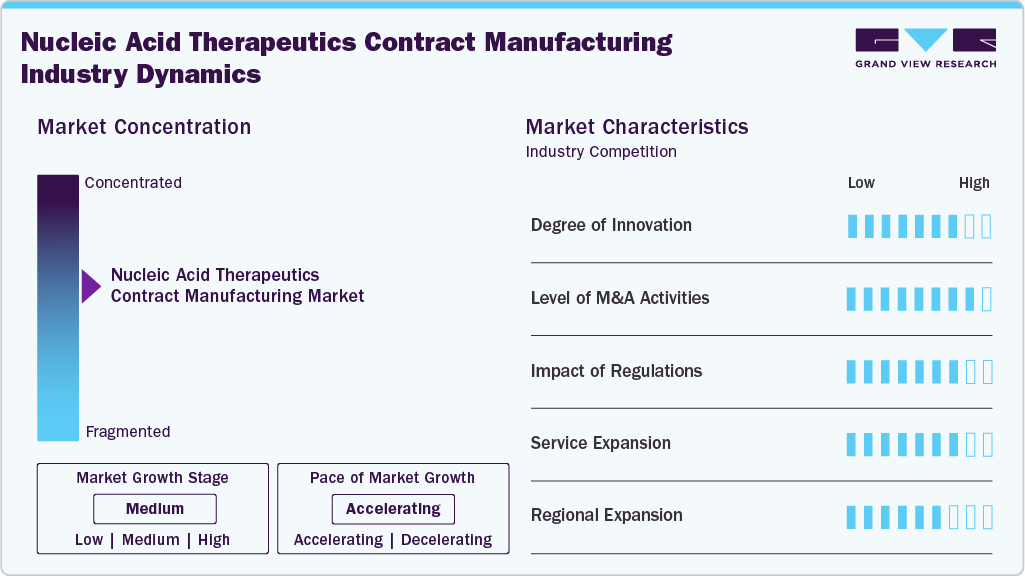
The nucleic acid therapeutics contract manufacturing industry is in a moderate growth stage, with growth accelerating. The market is characterized by the degree of innovation, level of M&A activities, regulatory impact, service expansion, and regional expansion.
The market is witnessing continuous innovation in mRNA, saRNA, and LNP technologies. Contract manufacturers are integrating AI, automation, and advanced analytics to enhance process optimization, scalability, and quality. For instance, in October 2025, Recipharm received a major Gates Foundation grant to develop AI-enabled manufacturing for xRNA vaccines, enhancing efficiency and affordability. This innovation aims to reduce costs and expand access to life-saving therapies globally.
 To learn more about this report, Download Free Sample Report
Mergers and acquisitions are accelerating as contract manufacturers seek to strengthen capabilities and global reach. Strategic consolidations allow companies to expand RNA and DNA manufacturing expertise, integrate advanced technologies, and streamline supply chains. For instance, in August 2023, the NIH and Exothera S.A. collaborated with Dartmouth experts to develop an intranasal COVID-19 vaccine, aiming to enhance mucosal immunity and simplify global vaccine delivery, thereby strengthening pandemic preparedness and equitable access.
Regulatory frameworks significantly influence market dynamics. Agencies such as the FDA and EMA are establishing clearer guidelines for the manufacturing of RNA, DNA, and gene therapies, ensuring product safety and consistency. Compliance with evolving GMP and quality standards drives investment in advanced manufacturing infrastructure, while harmonized global regulations facilitate faster approvals and cross-border collaborations among contract manufacturers and biotech innovators.
Contract manufacturers are broadening service portfolios to include process development, analytical testing, formulation, and fill-finish capabilities. Expansion into LNP formulation, plasmid DNA, and RNA synthesis enables end-to-end solutions for clients.
Global players are expanding their geographic footprint to meet rising regional demand. North America and Europe lead innovation, while Asia-Pacific emerges as a key manufacturing hub due to cost advantages and supportive policies. Expansion into Latin America and the Middle East further diversifies production networks, ensuring resilience, local access, and scalability for global biotherapeutics supply.
Analyst Perspective
The nucleic acid therapeutics CDMO market is at a structural inflection, post-COVID mRNA momentum is now being redirected toward precision RNA therapeutics, gene editing components, and oligonucleotide APIs, demanding CDMOs evolve beyond commodity vaccine production into integrated, end-to-end development partners. Greater outsourcing rates and record CDMO reliance, market leadership will grow with players offering one-stop-shop capabilities, spanning LNP formulation, GMP synthesis, analytics, and regulatory support, rather than single-modality manufacturers. Capacity constraints, regulatory complexity, and the technical barrier of precise nucleic acid synthesis continue to consolidate the competitive landscape in favour of well-capitalised, technologically differentiated CDMOs.
Impact of U.S. Tariffs on the Global Market
The imposition of U.S. tariffs on imported biopharmaceutical materials and equipment is creating significant disruptions in the global market. Increased costs for raw materials, reagents, and advanced instruments are elevating production expenses for U.S.-based contract manufacturers, reducing profit margins and competitiveness. This has prompted companies to diversify supply chains, shift sourcing to tariff-exempt regions, or expand manufacturing in Asia and Europe to mitigate cost pressures. However, these shifts may delay production timelines and increase regulatory complexities. In the long term, the tariffs could accelerate regionalization of manufacturing and drive strategic partnerships to stabilize global supply networks.
Technological Advancements
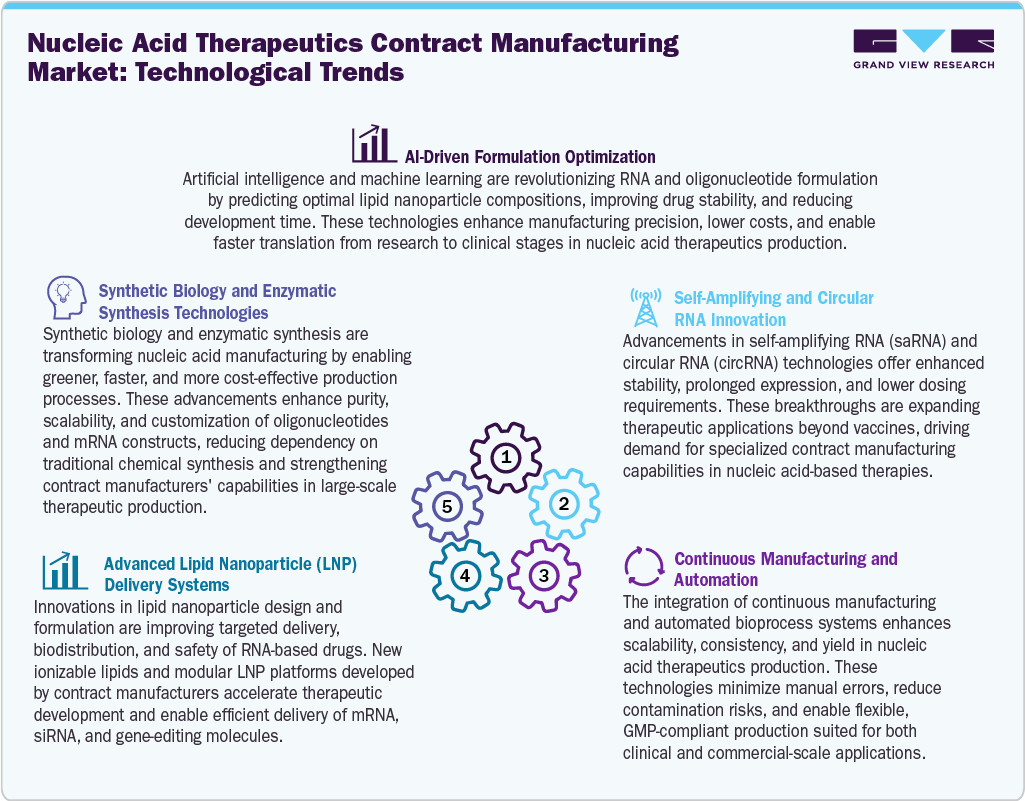
Technological advancements are propelling the market toward efficiency and innovation. AI and machine learning accelerate formulation design and optimize manufacturing workflows. Automation and digital twin technologies enhance precision, reduce errors, and streamline GMP compliance. The market is witnessing advancements in lipid nanoparticle (LNP) delivery systems that improve stability and targeted delivery of RNA drugs.
 To learn more about this report, Download Free Sample Report
Integration of single-use bioprocessing systems enables flexibility and rapid scale-up for personalized therapies. Furthermore, synthetic biology and enzymatic synthesis technologies offer sustainable, high-purity, and scalable production of nucleic acids. In conclusion, these innovations drive faster drug development, lower costs, and expand the therapeutic potential of nucleic acid-based medicines globally.
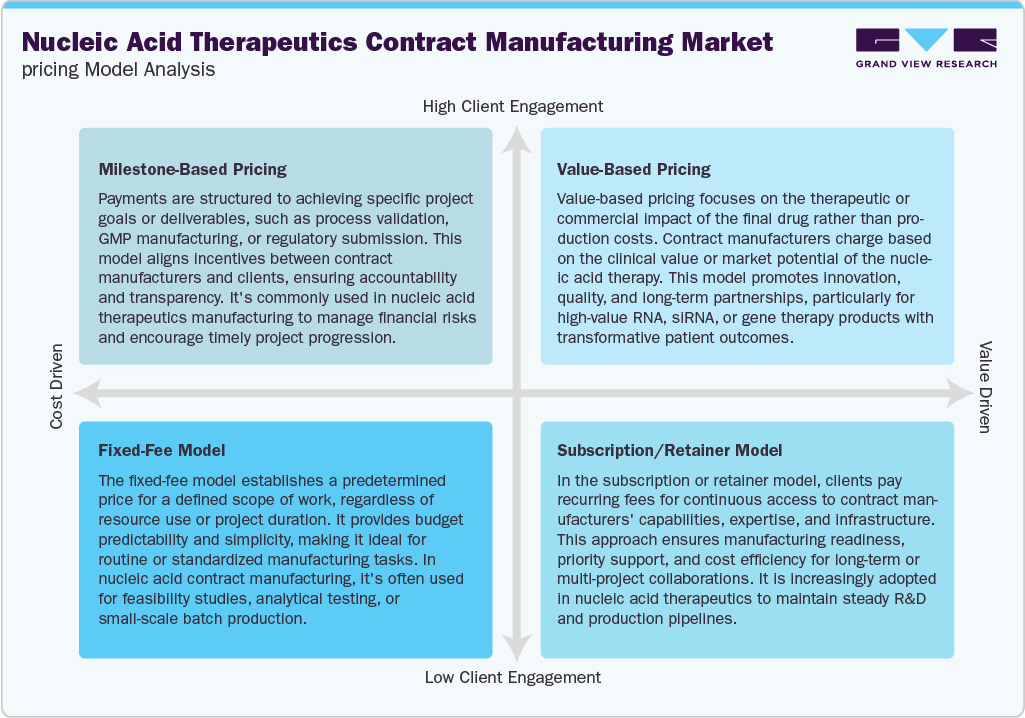
Pricing Model Analysis
In the market, pricing models are evolving to enhance flexibility and collaboration. Milestone-based pricing ties payments to project achievements, ensuring accountability. Value-based pricing focuses on the therapy’s clinical or market impact, rewarding innovation. Fixed-fee models offer cost predictability for standardized processes, while subscription or retainer models provide continuous access to contract manufacturers' expertise and infrastructure.
 To learn more about this report, Download Free Sample Report
Thus, these models enable clients to optimize budgets, manage risks, and accelerate time-to-market. They reflect the industry’s shift toward outcome-driven, partnership-oriented frameworks that support the growing demand for scalable and efficient RNA, DNA, and gene therapy manufacturing solutions globally.
Type Insights
Based on type, the RNA-based therapies segment led the market with the largest revenue share of 65.1% in 2025. This growth is driven by their transformative potential in treating a wide range of diseases, including cancer, genetic disorders, and infectious diseases, as well as by increasing government-based initiatives and funding. For instance, in September 2025, the UK government invested USD 38.31 million in the RNA Biofoundry at CPI’s Centre of Excellence that will accelerate RNA therapy development, fostering innovation and faster patient access. The success of mRNA vaccines has accelerated global investment and innovation, leading to rapid advancements in RNA synthesis, modification, and delivery technologies. Contract manufacturers are expanding their capabilities in mRNA, siRNA, and saRNA production by utilizing advanced lipid nanoparticle (LNP) formulations and AI-enabled process optimization.
The gene therapy segment is the fastest-growing area within the market. The market is driven by the rising prevalence of genetic disorders and the growing demand for targeting rare genetic disorders. According to a WHO report, genetic disorders and congenital abnormalities affect approximately 2%-5% of all live births, contributing to up to 30% of pediatric hospital admissions and nearly 50% of childhood deaths in industrialized nations. In addition, growing advancements in viral and non-viral delivery systems, such as adeno-associated viruses (AAVs) and lipid nanoparticles (LNPs), have significantly enhanced therapeutic precision and safety. Increasing regulatory approvals and government funding are accelerating the progress of clinical trials and commercial production. Furthermore, expanding contract manufacturers' capabilities in process development, GMP manufacturing, and analytical testing are supporting the large-scale production of gene therapies.
Service Insights
Based on service, the GMP manufacturing segment led the market with the largest revenue share of 36.1% in 2025 and is expected to grow at fastest rate over the forecast period, with the largest revenue share, and is expected to be the fastest-growing segment over the forecast period. The market is growing due to its essential role in ensuring high-quality, safe, and regulatory-compliant production of nucleic acid-based therapies. The contract manufacturers provide end-to-end GMP services, including the production of plasmid DNA, mRNA, siRNA, and oligonucleotides, supporting both clinical and commercial-scale needs. In addition, process consistency and minimum batch variability are achieved through advanced facilities, automation, and stringent quality control systems.
The process development and optimization segment is the second fastest-growing market, owing to its critical role in ensuring product quality, scalability, and regulatory compliance. These services enable efficient transition from laboratory-scale synthesis to large-scale GMP manufacturing, reducing production costs and time-to-market. In addition, contract manufacturers increasingly employ advanced analytics, automation, and AI-driven process modeling to enhance reproducibility and yield. Moreover, continuous manufacturing techniques and real-time monitoring are also being adopted to meet growing demand for nucleic acid-based therapies such as mRNA, siRNA, and oligonucleotides.
Application Insights
Based on application, the genetic disorders segment led the market with the largest revenue share of 33.9%in 2025, driven by the rising global prevalence of genetic disorders, increasing demand for targeted therapies, and precision medicine for treatments. These therapies aim to replace faulty genes responsible for inherited diseases such as cystic fibrosis, Duchenne muscular dystrophy, hemophilia, and spinal muscular atrophy. CDMOs support development through large-scale plasmid DNA and viral vector production under GMP conditions. Moreover, advancements in gene editing and delivery technologies, including AAV and lentiviral vectors, are expanding the pipeline of curative treatments. Such factors are expected to drive the market growth.
The infectious diseases segment is projected to witness the significant growth during the forecast period due to the urgent global need for vaccines and antiviral therapies. Outbreaks of diseases such as COVID-19, influenza, and emerging viral infections have accelerated the development of mRNA, siRNA, and DNA-based therapeutics. In addition, contract manufacturing organizations play a crucial role by offering specialized capabilities in process optimization, GMP manufacturing, and quality control to meet rapid production demands. Furthermore, advancements in technology, such as oral nucleic acid delivery systems, lipid nanoparticle delivery systems, and RNA stabilization, further enhance therapeutic efficacy.
End Use Insights
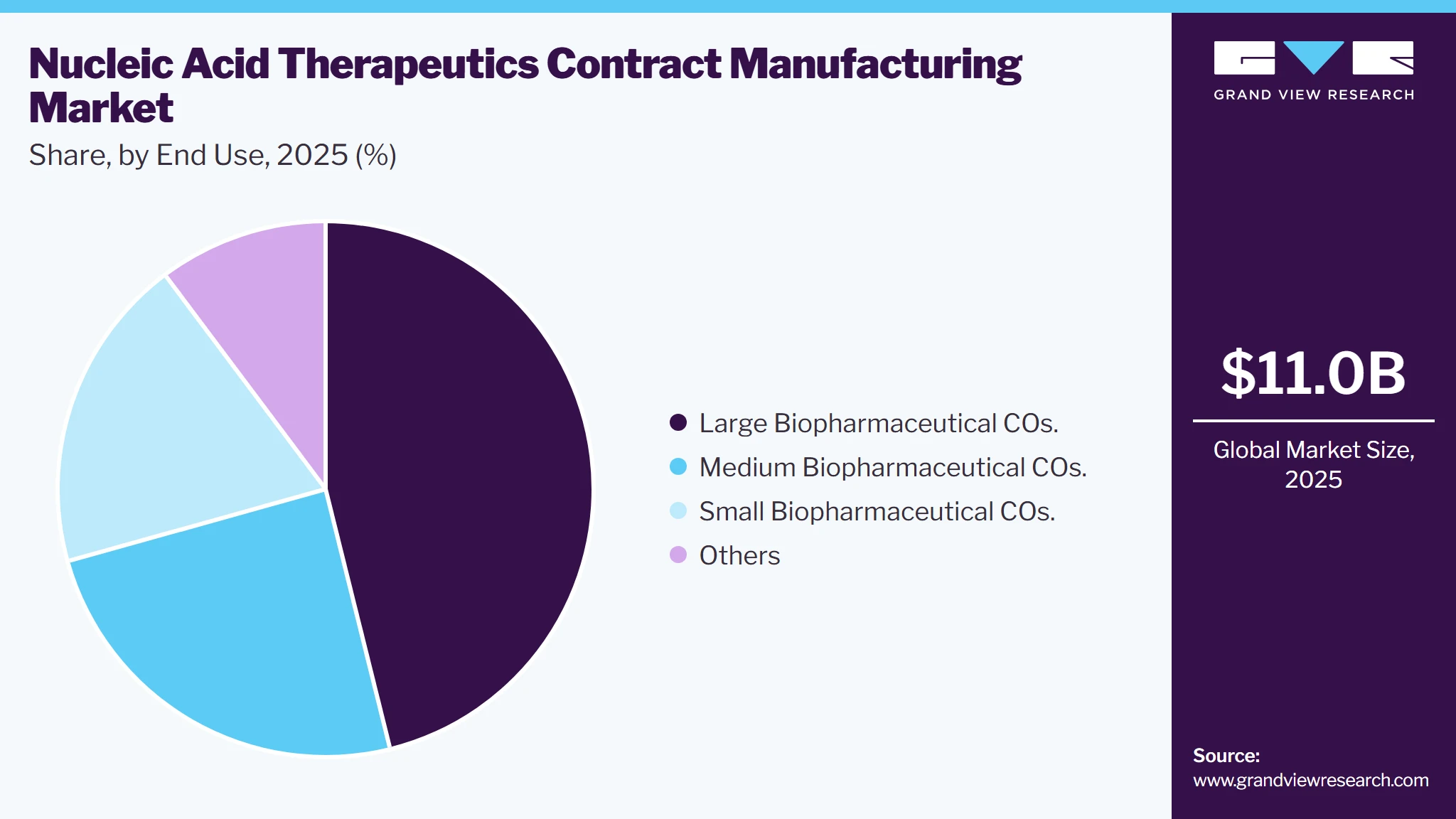
Based on end use, the large biopharmaceutical companies segment led the market with the largest revenue share of 46.1%in 2025. The growth of this segment is driven by its extensive R&D budgets, established manufacturing infrastructure, and global distribution networks. These companies actively collaborate with contract manufacturers to accelerate the development and commercialization of RNA, DNA, and oligonucleotide therapeutics. Their robust pipelines for gene therapies, mRNA vaccines, and rare disease treatments require scalable, high-quality contract manufacturing solutions to meet regulatory standards and market demand. Strategic partnerships, technology licensing, and investment in next-generation manufacturing platforms further strengthen their market.
 To learn more about this report, Download Free Sample Report
The medium biopharmaceutical companies segment is the fastest-growing in the market, with a notable CAGR, fueled by the rising number of innovative biotech firms developing niche RNA, DNA, and oligonucleotide therapeutics. These companies often lack in-house large-scale manufacturing capabilities, driving demand for specialized contract manufacturing services to accelerate process development, GMP production, and clinical trial supply. Strategic collaborations with contract manufacturers allow medium-sized firms to access advanced technologies, reduce time-to-market, and manage costs effectively.
Regional Insights
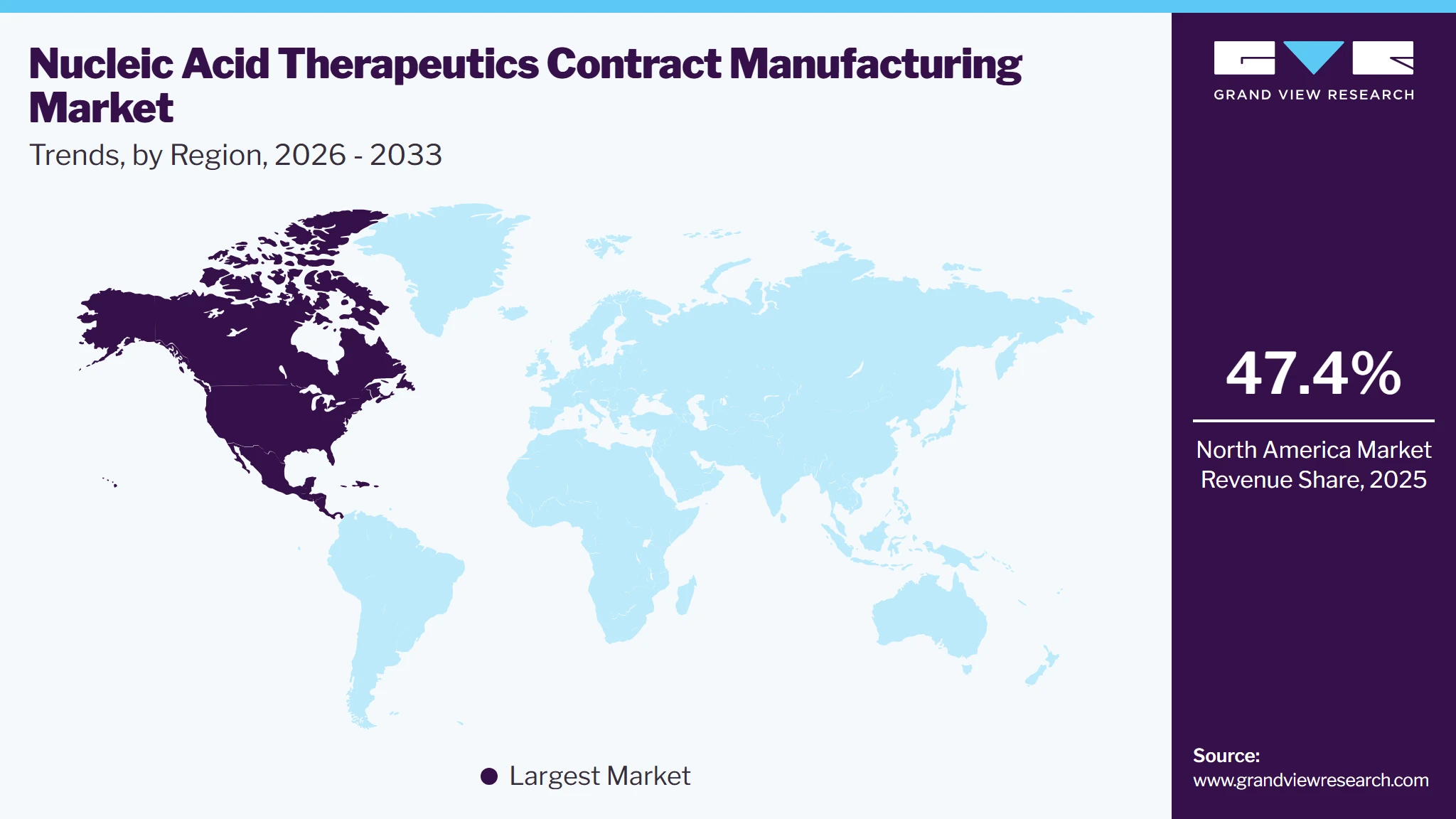
North America dominated the nucleic acid therapeutics contract manufacturing market with the largest revenue share of 47.4% in 2025, primarily attributed to the rising demand for mRNA vaccines, gene and oligonucleotide therapies, and the increasing presence of leading pharmaceutical companies. Besides, a strong clinical research infrastructure and growing regulatory support are further contributing to market growth. In addition, the region is witnessing advancements in scalable enzymatic and in vitro transcription platforms, single-use bioprocessing, automation, and continuous manufacturing. Furthermore, the growing development and commercialization of innovative biologic treatments are anticipated to drive the market growth. Some of the key players, such as Agilent, Curia, Ajinomoto, Danaher (Aldevron), KNC Laboratories, LGC, Merck KGaA, WuXi AppTec, BIOSPRING, Univercells, and Exothera, compete on capacity, speed, and quality.
 To learn more about this report, Download Free Sample Report
U.S. Nucleic Acid Therapeutics Contract Manufacturing Market Trends
The nucleic acid therapeutics contract manufacturing market in the U.S. held the largest share in the North America region in 2025, driven by rising demand for mRNA, growing demand for biosimilars, and increasing strategic collaborations between contract manufacturers. In the market, most CDMOs are expanding their biologics capabilities. For instance, in September 2024, ReciBioPharm partnered with Hongene Biotech to enhance the manufacturing of gene-editing drugs. Hongene’s novel sgRNA synthesis reduces impurities, improving quality, whereas ReciBioPharm’s Boston-based GMP facilities advance continuous mRNA-LNP manufacturing in collaboration with MIT and the FDA’s CBER.
Canada nucleic acid therapeutics contract manufacturing market is expected to grow at a significant CAGR during the forecast period, driven by strong government incentives, a strong biopharmaceutical ecosystem, and favorable government initiatives. For instance, in October 2024, OmniaBio Inc. opened Canada’s largest CGT CDMO facility in Ontario, an AI-driven, automated center of excellence enhancing cell and gene therapy manufacturing efficiency. Canada is also a well-established competitive capital for advanced nucleic acid therapeutics, enabling scalable, high-quality production and accelerating access to innovative biotherapies worldwide.
Europe Nucleic Acid Therapeutics Contract Manufacturing Market Trends
The nucleic acid therapeutics contract manufacturing market in Europe is projected to experience growth at a specific CAGR during the forecast period, driven by rising biotech investment, expanding biologics pipelines, and facility expansions across the region. Some key trends driving this market include the use of digital technologies, such as AI and blockchain, which are improving efficiency and patient engagement. In addition, in January 2025, Exothera partnered with Vaxthera to develop a universal COVID-19/Mpox bivalent vaccine, providing process development, scale-up, and GMP manufacturing for Phase 1 EU trials, advancing global vaccine innovation and healthcare resilience.
Germany nucleic acid therapeutics contract manufacturing market held the highest share in 2024. fueled by rising R&D investment, increasing healthcare awareness, and technological innovations. Furthermore, the increasing focus on precision medicine and advanced therapies is further strengthening innovation in clinical trial approaches. In addition, the country has seen an increase in innovation in monoclonal antibodies, biosimilars, and cell and gene therapies, which is expected to drive segment growth over the estimated period. Such factors are expected to drive the market growth.
The nucleic acid therapeutics contract manufacturing market in the UK accounted for the largest share in 2024. Growth of this region is driven by strong government support, advanced infrastructure, and a thriving biotech ecosystem. For instance, in August 2025, the UK advanced its RNA therapeutics capabilities with the USD 37.8 million launch of the UK RNA Biofoundry at CPI’s RNA Centre of Excellence, designed to accelerate drug development, lower production costs, and improve scalability for early-stage clinical trials.
Asia Pacific Nucleic Acid Therapeutics Contract Manufacturing Market Trends
The nucleic acid therapeutics contract manufacturing market in the Asia Pacific is projected to experience growth at a specific CAGR during the forecast period. The region is driven by government-backed R&D initiatives, increasing demand for mRNA vaccines, gene therapies, cost-effective research capabilities, and oligonucleotide-based drugs. In addition, countries such as China, India, and Japan are establishing GMP facilities, implementing automation systems, and forming strategic collaborations to accelerate the production of nucleic acid drugs in a scalable and cost-efficient manner. Major players are leading advancements through automation, AI-driven quality control, and GMP-certified facilities.
Japan nucleic acid therapeutics contract manufacturing market accounted for the largest share in 2024. Market growth is driven by strong government initiatives, advanced healthcare infrastructure, and rising investments in biopharmaceutical R&D across the country. Besides, the country's expertise in monoclonal antibodies, regenerative medicine, and cell and gene therapies drives the requirement for outsourcing among CROs for preclinical and clinical research.
The nucleic acid therapeutics contract manufacturing market in India is expected to grow at the fastest CAGR during the forecast period, supported by expanding biologics and GMP-certified manufacturing capabilities. For example, in June 2025, Aragen announced plans to start GMP manufacturing at its new Bangalore biologics facility. The country is developing a skilled scientific workforce, with advanced clinical trial infrastructure and a favorable regulatory environment, which further attracts global outsourcing partnerships.
China nucleic acid therapeutics contract manufacturing market is expected to register substantial growth during the forecast period. The expansion of biopharma clusters and advanced CDMO infrastructure drives growth. For instance, in September 2025, Porton Advanced partnered with RongCan Biotech to co-develop ionizable lipids for mRNA delivery, combining innovation and GMP manufacturing expertise. This collaboration strengthens the region’s global competitiveness, accelerating the commercialization of next-generation gene and cell therapies.
Latin America Nucleic Acid Therapeutics Contract Manufacturing Market Trends
The nucleic acid therapeutics contract manufacturing market in Latin America is projected to register a significant CAGR during the forecast period, driven by growing biopharmaceutical demand and cost-competitive manufacturing. Some of the advancements include expansion of GMP facilities, lipid nanoparticle technology, and regional regulatory harmonization, which propel the market growth. In addition, companies, including local firms and international partnerships, focus on technology transfer, process scale-up, and regulatory compliance.
Brazil nucleic acid therapeutics contract manufacturing market is experiencing robust growth driven by rising demand for mRNA vaccines, gene therapies, and oligonucleotide-based drugs. Government support, tax incentives, and biotech clusters in São Paulo and Rio de Janeiro foster innovation and infrastructure growth. In addition, key players, including local contract manufacturing and international partnerships, focus on GMP-compliant facilities, advanced LNP technologies, and process scale-up capabilities.
Middle East & Africa Nucleic Acid Therapeutics Contract Manufacturing Market Trends
The nucleic acid therapeutics contract manufacturing market in the MEA is growing steadily, driven by increasing healthcare investments and government-backed biotech initiatives. Strategic collaborations with global biopharma firms and the adoption of advanced technologies are enhancing manufacturing efficiency. Key players focus on establishing GMP-certified contract manufacturing facilities, advanced process development, and technology transfer partnerships.
South Africa nucleic acid therapeutics contract manufacturing market is expected to be the fastest CAGR during the forecast period, due to the growing biotech ecosystem, increasing prevalence of infectious diseases, and rising pharmaceutical demand. The government’s investment in biotech infrastructure, coupled with supportive regulations and funding initiatives, is fostering growth. Some of the key companies and emerging local CDMOs focus on establishing GMP-compliant facilities, process scale-up, and technology transfer partnerships.
The nucleic acid therapeutics contract manufacturing market in the UAE is gaining momentum, supported by strategic healthcare initiatives and growing demand for advanced healthcare solutions. Some key players, such as PureHealth and emerging local contract manufacturers, are expanding their GMP-certified facilities and integrating advanced technologies, including AI-driven bioprocessing and automation. For instance, in April 2025, Abu Dhabi’s DoH and Abu Dhabi Investment Office (ADIO) partnered with GSK to establish a multi-omics research institute, advancing oncology-focused genomic science, precision medicine, and early-stage discovery within the UAE.
Key Nucleic Acid Therapeutics Contract Manufacturing Company Insights
Key players in the market include Agilent Technologies, WuXi AppTec, Curia, Danaher (Aldevron), Merck KGaA, LGC, KNC Laboratories, BIOSPRING, Univercells, Exothera, and Aragen. These companies compete through technological innovation, GMP-certified facilities, strategic partnerships, and capacity expansions, shaping global market dynamics and capturing significant shares. For example, in October 2025, Ajinomoto Bio-Pharma partnered with Gene Tools to streamline oligonucleotide production, combining early-stage synthesis with purification and GMP capabilities, accelerating research, GLP studies, and clinical development of genetic therapies.
Key Nucleic Acid Therapeutics Contract Manufacturing Companies:
The following are the leading companies in the nucleic acid therapeutics contract manufacturing market.
- Lonza Group
- Thermo Fisher Scientific
- Catalent Inc.
- WuXi AppTec
- AGC Biologics
- Agilent Technologies
- Ajinomoto Bio-Pharma Services
- BioSpring GmbH
- Bachem Holding AG
- CordenPharma International GmbH
- Danaher Corporation
- Eurofins Scientific
- Avecia (Nitto Denko / Avecia)
- BioCina Pty Ltd.
- Kaneka Corporation
Competitive Benchmarking
Operating Strategies
Competitive Edge
Weaknesses
- Mature Players: Lonza Group AG
- Mature players in the nucleic acid therapeutics contract manufacturing market focus on large-scale GMP expansion, integrated end-to-end service offerings, and global manufacturing network development.
- These companies actively pursue acquisitions, strategic collaborations, and investments in mRNA, oligonucleotide, and gene therapy capabilities.
- Emphasize advanced automation, regulatory compliance, and long-term partnerships with companies.
- Mature players possess strong competitive advantages through extensive global infrastructure, diversified service portfolios, and proven regulatory expertise.
- Established supply chains, financial strength, advanced technologies, and large-scale production capabilities enable efficient project execution, high manufacturing reliability, and faster commercialization support for complex nucleic acid therapeutics worldwide.
- Mature players may face challenges associated with high operational costs, complex organizational structures, and slower decision-making processes.
- Large-scale facilities require substantial capital investments and continuous maintenance expenses.
- Emerging Players: Ajinomoto Bio-Pharma Services
- Emerging players in the nucleic acid therapeutics contract manufacturing market primarily focus on niche specialization, flexible manufacturing, and rapid GMP capacity expansion. Many companies emphasize
- Strategic partnerships with biotech firms, regional expansion initiatives, technology licensing, and investments in scalable manufacturing platforms help these companies strengthen market positioning and attract early-stage therapeutic developers.
- Emerging players gain competitive advantage through specialized expertise in RNA therapeutics, customized manufacturing services, and operational flexibility.
- Their focused investments in advanced nucleic acid technologies and innovative manufacturing processes also enable strong positioning within rapidly evolving therapeutic segments.
- Emerging players often face limitations related to smaller manufacturing scale, restricted global presence, and comparatively lower financial resources. Many lack extensive commercial-scale production infrastructure and broad regulatory experience across multiple regions.
- In addition, competing against established multinational CDMOs with integrated capabilities and stronger supply chains remains a significant market challenge.
Recent Developments
-
In January 2025, Evonik partnered with ST Pharm to expand RNA and nucleic acid therapeutic services, integrating LNP development and system solutions to streamline production, reduce complexity, and accelerate speed-to-market for drug developers. This collaboration enhances Evonik’s CDMO offerings, supporting the rapid growth and commercialization of nucleic acid therapeutics globally.
-
In April 2025, Wacker Biotech and RNAV8 Bio combined expertise in pDNA/mRNA manufacturing and LNP formulation with mRNA engineering, optimizing UTR sequences to improve drug stability, efficacy, and production efficiency. The partnership positions both companies as leading premium providers of mRNA-based therapeutic solutions.
-
In June 2024, Nippon Shokubai announced a tenfold expansion of GMP-compliant nucleic acid API manufacturing to meet growing global demand, supporting large-scale production for the treatment of rare diseases, neurological disorders, and cancer therapies by 2027.
Nucleic Acid Therapeutics Contract Manufacturing Market Report Scope
Report Attribute
Details
Market size in 2025
USD 11.0 billion
Estimated market size in 2026
USD 12.3 billion
Projected market size by 2040
USD 40.8 billion
Growth rate
CAGR of 15.6% from 2026 to 2040
Historical data
2021 - 2025
Forecast period
2026 - 2040
Quantitative units
Revenue in USD million/billion and CAGR from 2026 to 2040
Report coverage
Revenue forecast, company ranking, competitive landscape, growth factors, and trends
Segments covered
Type, service, application, end use, region
Regional scope
North America; Europe; Asia Pacific; Latin America; MEA
Country scope
U.S.; Canada; Mexico; Germany; UK; France; Italy; Spain; Norway; Denmark; Sweden; China; Japan; India; South Korea; Australia; Thailand; Brazil; Argentina; Saudi Arabia; South Africa; UAE; Kuwait; Oman; Qatar.
Key companies profiled
Lonza Group; Thermo Fisher Scientific; Catalent Inc.; WuXi AppTec; AGC Biologics; Agilent Technologies; Ajinomoto Bio-Pharma Services; BioSpring GmbH; Bachem Holding AG; CordenPharma International GmbH; Danaher Corporation; Eurofins Scientific; Avecia (Nitto Denko / Avecia); BioCina Pty Ltd.; Kaneka Corporation
Customization scope
Free report customization (equivalent up to 8 analysts' working days) with purchase. Addition or alteration to country, regional & segment scope.
Pricing and purchase options
Avail customized purchase options to meet your exact research needs. Explore purchase options
Global Nucleic Acid Therapeutics Contract Manufacturing Market Report Segmentation
This report forecasts revenue growth at global, regional, and country levels and provides an analysis of the latest industry trends in each of the sub-segments from 2021 to 2033. For this study, Grand View Research has segmented the global nucleic acid therapeutics contract manufacturing market report based on type, service, application, end use, and region:
-
Type Outlook (Revenue, USD Million, 2021 - 2033)
-
Gene Therapy
-
Plasmid DNA (pDNA)
-
Viral Vectors
-
Non-viral Gene Delivery Systems
-
Others
-
-
RNA-based Therapies
-
Messenger RNA (mRNA)
-
Small Interfering RNA (siRNA)
-
Antisense Oligonucleotides (ASO)
-
Other
-
-
-
Service Outlook (Revenue, USD Million, 2021 - 2033)
-
Process Development and Optimization
-
GMP Manufacturing
-
Analytical and Quality Control Service
-
Fill-Finish Contract Manufacturing
-
Regulatory Support
-
Others
-
-
Application Outlook (Revenue, USD Million, 2021 - 2033)
-
Oncology
-
Rare Diseases
-
Genetic Disorders
-
Infectious Diseases
-
Others
-
-
End Use Outlook (Revenue, USD Million, 2021 - 2033)
-
Large Biopharmaceutical Companies
-
Medium Biopharmaceutical Companies
-
Small Biopharmaceutical Companies
-
Others
-
-
Regional Outlook (Revenue, USD Million, 2021 - 2033)
-
North America
-
U.S.
-
Canada
-
Mexico
-
-
Europe
-
UK
-
Germany
-
France
-
Italy
-
Spain
-
Denmark
-
Sweden
-
Norway
-
-
Asia Pacific
-
Japan
-
China
-
India
-
Australia
-
Thailand
-
South Korea
-
-
Latin America
-
Brazil
-
Argentina
-
-
Middle East & Africa
-
South Africa
-
UAE
-
Saudi Arabia
-
Kuwait
-
Qatar
-
Oman
-
-
Research Methodology
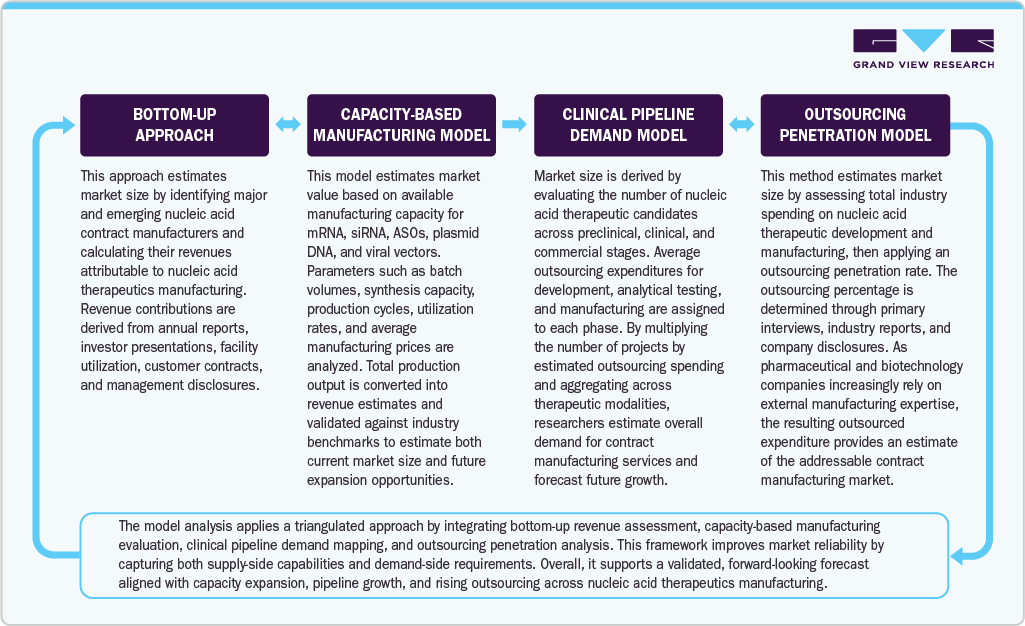
The nucleic acid therapeutics contract manufacturing market figures in this report are based on a proven research process that combines executive interviews with secondary research from proprietary databases, company filings, and recognized regulatory and institutional sources. Market size is built through value-chain sizing - reconciling supply-side and demand-side estimates - and triangulated with bottom-up and top-down approaches. Every estimate passes multiple levels of expert validation before publication, with each nucleic acid therapeutics contract manufacturing segment quantified using the revenue-capture definitions in the table below.
Segment Definition
Segment - Type
Revenue capture definition
Gene Therapy
The segment captures revenue generated by providing Contract Manufacturing services for gene therapy-based Nucleic Acid Therapeutics to end users. The segment includes manufacturing of genetic material and delivery platforms intended to replace, repair, silence, or introduce genes for therapeutic applications.
Plasmid DNA (pDNA)
The segment captures revenue generated by providing Contract Manufacturing services for plasmid DNA-based Nucleic Acid Therapeutics to end users. The segment includes GMP-grade plasmid DNA manufacturing used as drug substance, vaccine component, viral vector starting material, and gene therapy intermediate.
Viral Vectors
The segment captures revenue generated by providing Contract Manufacturing services for viral vector-based Nucleic Acid Therapeutics to end users. The segment includes manufacturing of AAV, lentiviral, adenoviral, retroviral, and other viral delivery vectors used for gene transfer and gene-modified cell therapy applications.
Non-viral Gene Delivery Systems
The segment captures revenue generated by providing Contract Manufacturing services for non-viral gene delivery-based Nucleic Acid Therapeutics to end users. The segment includes lipid nanoparticles, polymer-based carriers, electroporation-compatible formulations, nanoparticles, and other synthetic delivery systems used to transport nucleic acid payloads.
Others
The segment captures revenue generated by providing Contract Manufacturing services for other gene therapy-related Nucleic Acid Therapeutics to end users. The segment includes emerging gene editing payloads, hybrid delivery systems, minicircle DNA, episomal DNA, and other advanced genetic constructs not classified under pDNA, viral vectors, or non-viral systems.
RNA-based Therapies
The segment captures revenue generated by providing Contract Manufacturing services for RNA-based Nucleic Acid Therapeutics to end users. The segment includes therapeutic RNA molecules designed to encode proteins, silence genes, modulate RNA function, or regulate disease-associated molecular pathways.
Messenger RNA (mRNA)
The segment captures revenue generated by providing Contract Manufacturing services for mRNA-based Nucleic Acid Therapeutics to end users. The segment includes mRNA drug substance, modified mRNA, self-amplifying RNA, circular RNA, vaccine-grade mRNA, and formulated RNA products used for therapeutic and prophylactic applications.
Small Interfering RNA (siRNA)
The segment captures revenue generated by providing Contract Manufacturing services for siRNA-based Nucleic Acid Therapeutics to end users. The segment includes chemically synthesized siRNA duplexes, modified siRNA molecules, conjugated siRNA, and formulated siRNA products designed for targeted gene silencing.
Antisense Oligonucleotides (ASO)
The segment captures revenue generated by providing Contract Manufacturing services for ASO-based Nucleic Acid Therapeutics to end users. The segment includes chemically modified antisense oligonucleotides, splice-modulating oligonucleotides, gapmers, RNase H-dependent ASOs, and other single-stranded oligonucleotide therapies.
Others (RNA-based Therapies)
The segment captures revenue generated by providing Contract Manufacturing services for other RNA-based Nucleic Acid Therapeutics to end users. The segment includes microRNA therapeutics, aptamers, guide RNA, RNA aptamer conjugates, transfer RNA-based therapies, and other emerging RNA modalities not classified under mRNA, siRNA, or ASO.
Segment - Service
Revenue capture definition
Process Development and Optimization
The segment captures revenue generated by providing Contract Manufacturing services for Nucleic Acid Therapeutics process development and optimization to end users. The segment includes process design, scale-up, technology transfer, yield improvement, purification optimization, formulation support, and manufacturing workflow optimization for nucleic acid-based products.
GMP Manufacturing
The segment captures revenue generated by providing Contract Manufacturing services for Nucleic Acid Therapeutics GMP manufacturing to end users. The segment includes clinical and commercial-scale manufacturing of plasmid DNA, viral vectors, RNA-based therapies, oligonucleotides, and other nucleic acid products under compliant quality and regulatory standards.
Analytical and Quality Control Service
The segment captures revenue generated by providing Contract Manufacturing services for Nucleic Acid Therapeutics analytical and quality control services to end users. The segment includes identity, purity, potency, sterility, stability, impurity profiling, residual testing, release testing, and method validation services supporting product quality and regulatory compliance.
Fill-Finish Contract Manufacturing
The segment captures revenue generated by providing Contract Manufacturing services for Nucleic Acid Therapeutics fill-finish contract manufacturing to end users. The segment includes sterile filling, vialing, syringe filling, lyophilization, labeling, packaging, inspection, and final product handling for nucleic acid-based therapeutic products.
Regulatory Support
The segment captures revenue generated by providing Contract Manufacturing services for Nucleic Acid Therapeutics regulatory support to end users. The segment includes CMC documentation, regulatory filing support, batch record preparation, validation documentation, audit readiness, technical data packages, and support for IND, CTA, BLA, MAA, and other submissions.
Others
The segment captures revenue generated by providing Contract Manufacturing services for other Nucleic Acid Therapeutics-related services to end users. The segment includes logistics support, cold chain management, raw material sourcing, stability storage, packaging coordination, project management, and other ancillary services not classified under the above service categories.
Segment - Application
Revenue capture definition
Oncology
The segment captures revenue generated by providing Contract Manufacturing services for Nucleic Acid Therapeutics used in oncology applications to end users. The segment includes manufacturing support for mRNA cancer vaccines, siRNA-based cancer therapies, ASO therapies, gene therapies, plasmid DNA, viral vectors, and other nucleic acid-based products targeting solid tumors, hematological malignancies, and tumor-associated pathways.
Rare Diseases
The segment captures revenue generated by providing Contract Manufacturing services for Nucleic Acid Therapeutics used in rare disease applications to end users. The segment includes manufacturing of ASOs, siRNA, mRNA, gene therapy vectors, pDNA, and other nucleic acid therapeutics designed to address low-prevalence, orphan, and underserved disease indications.
Genetic Disorders
The segment captures revenue generated by providing Contract Manufacturing services for Nucleic Acid Therapeutics used in genetic disorder applications to end users. The segment includes manufacturing support for gene replacement therapies, gene silencing therapies, splice-modulating oligonucleotides, mRNA-based protein replacement approaches, and vector-based therapies targeting inherited or mutation-driven conditions.
Infectious Diseases
The segment captures revenue generated by providing Contract Manufacturing services for Nucleic Acid Therapeutics used in infectious disease applications to end users. The segment includes manufacturing of mRNA vaccines, DNA vaccines, RNA-based antivirals, siRNA therapeutics, ASO therapies, viral vectors, and other nucleic acid-based products targeting viral, bacterial, and emerging infectious disease indications.
Others
The segment captures revenue generated by providing Contract Manufacturing services for Nucleic Acid Therapeutics used in other therapeutic applications to end users. The segment includes manufacturing support for products targeting cardiovascular, metabolic, neurological, autoimmune, inflammatory, ophthalmic, and other disease areas not classified under oncology, rare diseases, genetic disorders, or infectious diseases.
Segment - End Use
Revenue capture definition
Large Biopharmaceutical Companies
The segment captures revenue generated by providing Contract Manufacturing services for Nucleic Acid Therapeutics to large biopharmaceutical companies. The segment includes manufacturing support for companies with established commercial portfolios, global R&D pipelines, in-house development capabilities, and demand for large-scale clinical and commercial production of nucleic acid-based therapies.
Medium Biopharmaceutical Companies
The segment captures revenue generated by providing Contract Manufacturing services for Nucleic Acid Therapeutics to medium biopharmaceutical companies. The segment includes manufacturing support for companies with advancing clinical pipelines, selective in-house infrastructure, and outsourcing needs across process development, GMP manufacturing, analytical testing, fill-finish, and regulatory documentation.
Small Biopharmaceutical Companies
The segment captures revenue generated by providing Contract Manufacturing services for Nucleic Acid Therapeutics to small biopharmaceutical companies. The segment includes manufacturing support for emerging biotech firms, virtual biopharma companies, start-ups, and early-stage developers that rely heavily on external CDMOs for development, scale-up, clinical batch manufacturing, and quality support.
Others
The segment captures revenue generated by providing Contract Manufacturing services for Nucleic Acid Therapeutics to other end users. The segment includes academic institutions, research organizations, government bodies, non-profit organizations, translational research centers, and specialty therapeutic developers involved in nucleic acid-based product development and manufacturing outsourcing.
Estimation Model
 To learn more about this report, Download Free Sample Report
Delivered Customizations
This report has been delivered with the following In-depth customizations
Client Request
Customization Delivered
Value Adds
Industry Trend Analysis
Provided a customized trend analysis that focused on emerging developments in mRNA therapeutics, oligonucleotide manufacturing, lipid nanoparticle technologies, GMP capacity expansion, and outsourcing strategies in the nucleic acid therapeutics contract manufacturing market. The study included an analysis of regulatory advancements, investment trends, strategic collaborations, automation adoption, and evolving demand patterns across clinical and commercial manufacturing. This helped the client effectively identify future growth opportunities.
The customization enabled the client to gain deeper insight into competitor positioning, manufacturing strengths, strategic collaborations, and service capabilities within the nucleic acid therapeutics CDMO ecosystem. It facilitated benchmarking against both leading and emerging market players, highlighted potential partnership and acquisition opportunities, and enhanced strategic decision-making regarding capacity expansion, technology investments, and competitive differentiation in a rapidly evolving market landscape.
Competitive Landscape Insights
Delivered a detailed regional and country-level analysis that covered market sizing, growth forecasts, regulatory frameworks, manufacturing infrastructure, and investment trends across key geographies. This customization included an assessment of local CDMO presence, RNA therapeutics manufacturing capabilities, government support initiatives, clinical trial activity, and supply chain dynamics. As a result, the client identified high-growth regional opportunities and effectively optimized their geographic expansion strategies.
The customization enabled the client to pinpoint high-growth regional markets, evaluate the regulatory environments in each country, and assess manufacturing infrastructure opportunities across key geographies. The insights gained supported informed expansion planning, investment prioritization, and strategies for optimizing the supply chain. In addition, by understanding regional demand trends and government support initiatives, the client was able to enhance its market-entry strategies and strengthen long-term business development planning in the targeted regions.
Competitive Landscape
Delivered a comprehensive competitive landscape assessment that included thorough company benchmarking, an evaluation of market shares, mapping of service capabilities, comparisons of manufacturing capacities, and analysis of strategic partnerships. The study also featured detailed profiles of leading and emerging CDMOs, focusing on their expertise in nucleic acid therapeutics, GMP manufacturing capabilities, technology platforms, regional presence, and expansion initiatives. This enabled the client to enhance their competitive intelligence and support their strategic planning effectively.
The customization allowed the client to gain insights into the emerging technological and operational trends that are shaping the nucleic acid therapeutics contract manufacturing market. Detailed analysis of mRNA manufacturing, lipid nanoparticle technologies, automation adoption, outsourcing strategies, and GMP expansion supported strategic planning with a future-oriented perspective. In addition, this analysis helped the client identify opportunities for innovation, anticipate industry shifts, align investment priorities, and enhance their competitive readiness within a rapidly evolving therapeutic manufacturing landscape.
Frequently Asked Questions About This Report
The RNA-based therapies segment led with a 65.1% revenue share in 2025, while the gene therapy segment is the fastest-growing type.
The GMP manufacturing segment led the market with the largest revenue share of 36.1% in 2025 and is expected to grow at fastest rate over the forecast period.
The genetic disorders segment led the market with the largest revenue share of 33.9%in 2025.
The global nucleic acid therapeutics contract manufacturing market size was valued at USD 11.0 billion in 2025 and is estimated at USD 12.3 billion for 2026.
North America dominated the nucleic acid therapeutics contract manufacturing market with the largest revenue share of 47.4% in 2025.
The market is witnessing growth driven by growing biopharmaceutical outsourcing trends, rising demand for mRNA and gene therapies, and technological advancements in manufacturing.
Large biopharmaceutical companies segment held the largest share (over 46.0%) in 2025, while the medium biopharmaceutical companies is the fastest-growing segment.
The global nucleic acid therapeutics contract manufacturing market is expected to grow at a CAGR of 15.6% from 2026 to 2033, reaching USD 33.8 billion by 2033.
Key players operating in this market include - Lonza Group; Thermo Fisher Scientific; Catalent Inc.; WuXi AppTec; AGC Biologics; Agilent Technologies; Ajinomoto Bio-Pharma Services; BioSpring GmbH; Bachem Holding AG; CordenPharma International GmbH; Danaher Corporation; Eurofins Scientific; Avecia (Nitto Denko / Avecia); BioCina Pty Ltd.; Kaneka Corporation.
About the Author(s)
Medical Devices Research Team
Healthcare · Medical DevicesThis report was authored by the medical devices research team at Grand View Research - comprising two research analysts, one senior research analyst, and one industry expert - with specialized expertise in the medical devices segment of the healthcare industry. All findings are based on proprietary healthcare databases, executive interviews, and regulatory analysis, subject to internal peer review prior to publication.
Last Updated:
Speak to Analyst

Customize this report to your needs - add regions, segments, or data points, with 20% free customization.
Or view our licence options:


ISO 9001:2015 & 27001:2022 Certified
We are GDPR and CCPA compliant! Your transaction & personal information is safe and secure. For more details, please read our privacy policy.


