
- Home
- »
- Medical Devices
- »
-
Biopharmaceutical Contract Development And Manufacturing Organization Market 2033GVR Report cover

Biopharmaceutical Contract Development And Manufacturing Organization Market (2026 - 2033) Size, Share & Trends Analysis Report By Type (API, Finished Drug Product), By Product (Biologics, Biosimilars), By Service, By Source, By Workflow, By Therapeutic Area, By End-use, By Region, And Segment Forecasts
Market Size, 2023
$27.3BMarket Estimate, 2026
$29.8BMarket Forecast, 2033
$56.6BCAGR, 2024–2033
9.6%Biopharmaceutical CDMO Market Summary
The global biopharmaceutical contract development and manufacturing organization (CDMO) market size was valued at USD 27.3 billion in 2025 and is projected to grow from USD 29.8 billion in 2026 to USD 56.6 billion by 2033, at a CAGR of 9.6% from 2026 to 2033. The North America held the largest share of 43.8% in the global market in 2025. The market is driven by increasing demand for biologics, biosimilars, and advanced therapies. Besides, rising demand for outsourcing services, growing expansion of a large product pipeline, and increasing cost effectiveness within CDMO services have led most biopharmaceutical manufacturers to outsource their production capabilities.
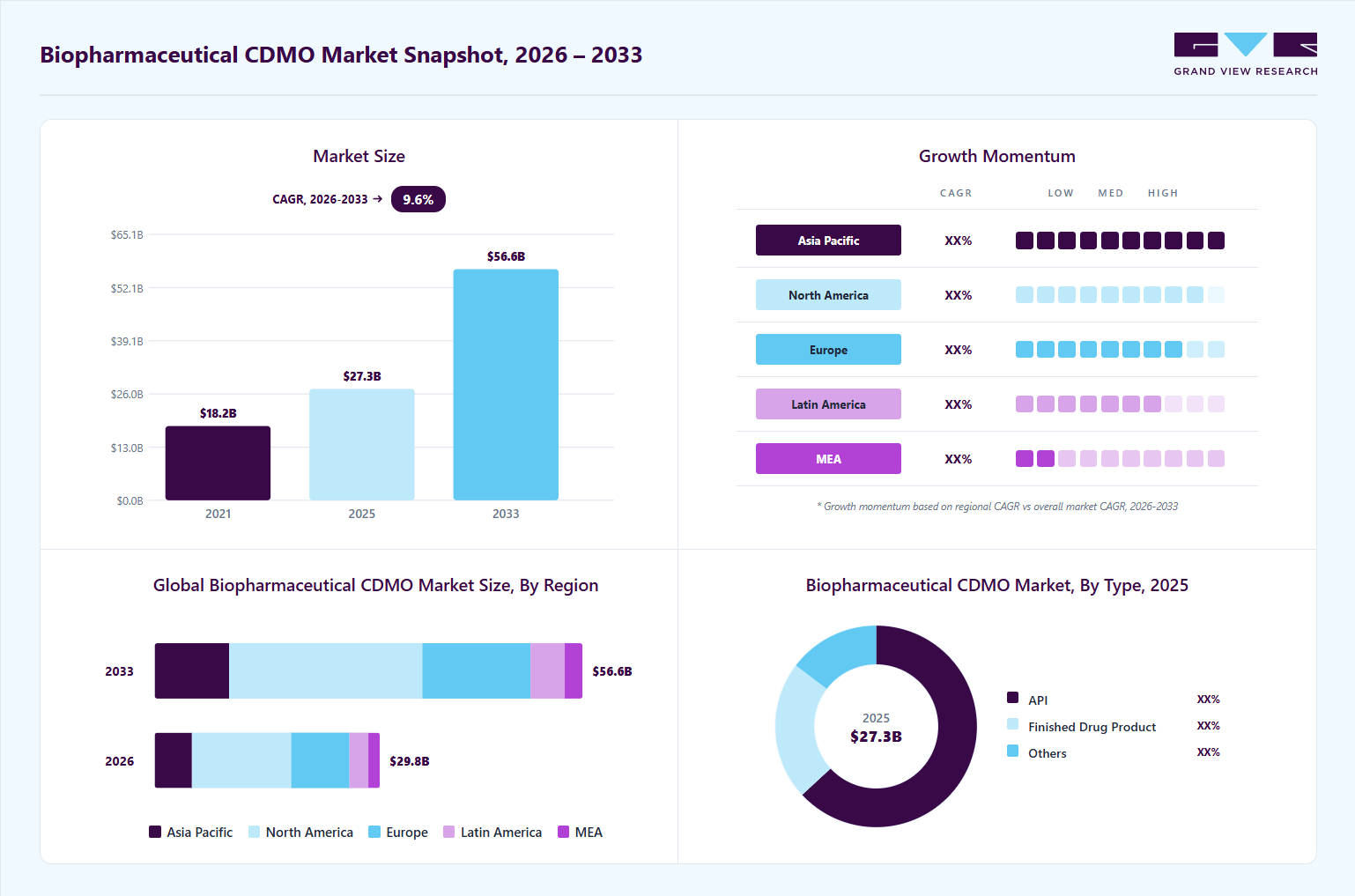 Source: Grand View Research, IR Documents, Primary Interviews, Paid DatabasesTo learn more about this report,
 Download Free Sample Report
Key Market Trends & Insights
- The biopharmaceutical CDMO in the U.S. is expected to grow significantly over the forecast period.
- Based on type, the API segment held the largest market share of 63.1% in 2025.
- By product, the biologics segment held the largest market share in 2025.
- On the basis of service, the contract development segment accounted for the largest share in 2025 during the forecast period.
- By source, the microbial segment held the largest market share in 2025.
Market Size & Forecast
- 2025 Market Size: USD 27.3 Billion
- 2033 Projected Market Size:USD 56.6 Billion
- CAGR (2026-2033):9.6%
- North America:Largest market in 2025
- Asia Pacific:Fastest growing market
Prism AI by Grand View Research Free to tryAsk a question about the biopharmaceutical contract development and manufacturing organization marketTry asking✓Every figure cited from GVR research Prefer the report? Download free sample →
Most biopharmaceutical companies are developing biologics & biosimilars due to continuous demand for targeted, effective, and personalized therapies, as these offer higher efficacy, reduced side effects, and the ability to address complex & chronic diseases such as cancer, autoimmune disorders, and rare genetic conditions. Besides, the market has witnessed new growth opportunities due to specialized CDMOs offering greater speed-to-market, expanding patent expiration, and rising need for blockbuster drugs, creating a strong pipeline for biologics and biosimilars, further contributing to market growth. In addition, growing advancements in biotechnology have further lowered production costs and risks. Thus, biologics are currently prioritized for clinical value, commercial potential, and long-term growth prospects.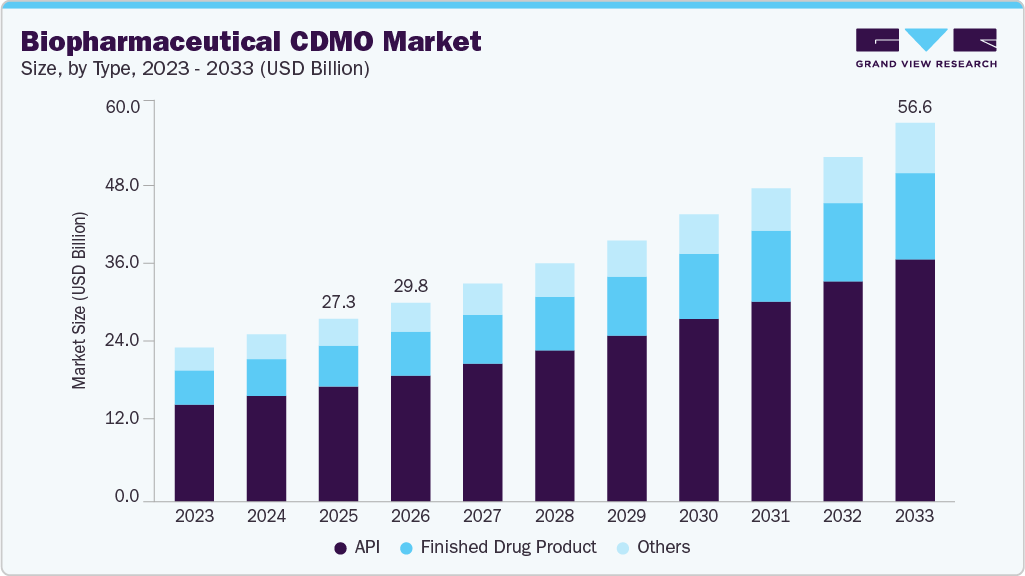 To learn more about this report, Download Free Sample Report
Biopharmaceuticals manufacturing will be recognized as one of the leading 10 revenue generators in the coming years. Currently, most of the small molecules make up to 90% of drugs on the market and continue to be the primary active substance in the pharmaceutical industry; however, companies are increasingly shifting their focus to manufacturing and developing highly profitable, highly complex large molecules known as biologics. This has led biopharmaceutical companies to necessitate collaboration with external partners capable of managing advanced manufacturing processes to continuously develop new products to meet the increasing consumer demand, which in turn is anticipated to surge CDMO services. For instance, the International Federation of Pharmaceutical Manufacturers & Associations mentioned that the biopharmaceutical R&D spending is expected to grow to USD 213 million by 2025, owing to the growing demand for biopharmaceutical products. In addition, an expanding number of drug pipelines has significantly contributed to market growth.
Moreover, technological advances have been actively adopted to enhance the capabilities of CDMOs in the market. Besides, single-use bioprocessing systems, continuous manufacturing, and advanced cell-line development platforms have been increasingly integrated to improve production efficiency and reduce risks. In addition, artificial intelligence, machine learning, and digital process automation are increasingly adopted to enhance operations and ensure consistent quality outcomes. Innovations in analytical testing and process intensification have enabled higher productivity and greater reliability across the biopharmaceutical manufacturing market.
Furthermore, growing investments to strengthen global manufacturing footprints are expected to drive the market over the estimated period. In addition, developing strategic partnerships with biopharmaceutical companies has enabled long-term supply partnerships, enhancing the market's competitiveness. Moreover, growing bioreactors and cold-chain logistics infrastructure advances to support complex biologics production are expected to drive the market over the estimated period.
Market Dynamics
The growing demand for biological products and therapies is a key factor driving market growth for biopharmaceutical contract development and manufacturing organizations (CDMOs). The rising prevalence of chronic illnesses, cancer, and rare diseases is fueling the development of monoclonal antibodies, vaccines, biosimilars, and recombinant proteins. Furthermore, advances and innovations in cell and gene therapies are driving demand for sophisticated production and analysis facilities. For instance, in April 2026, Cellares and Cabaletta Bio entered into a ten-year commercial supply agreement, which will allow for the automation, scale, and efficiency of producing rese-cel, an experimental CAR-T cell therapy for autoimmune conditions. This collaboration aims to enable the production of cutting-edge cell therapies at an economical price and on a large scale by leveraging the company’s Cell Shuttle and Cell Q platforms, benefiting tens of thousands of patients per year. The agreement highlights the growing demand for advanced biologicals and the need for robust infrastructure for large-scale cell therapy production. Pharmaceutical and biotech companies have increasingly been outsourcing CDMOs to save on costs, leverage sophisticated technology, and shorten their commercialization timelines.
The growing complexities of producing biological products, along with stringent regulatory and sterility requirements, are expected to propel the demand for outsourcing services. The CDMOs are upgrading their facilities with additional bioprocessing capacity, single-use bio-manufacturing, and sterile fill-finish manufacturing capacity to meet higher industry demand.
Compliance concerns related to manufacturing outsourcing are proving to be a significant hurdle for the growth of the CDMO market in the biopharmaceutical industry. The production of biopharmaceuticals requires maintaining high standards in regulatory compliance, including GMP regulations, data integrity, and contamination controls. Any deviations in manufacturing, quality assurance issues, or regulatory noncompliance can lead to product recalls, delays in approvals, and supply chain disruptions. Besides, maintaining uniform quality standards across multiple outsourcing partners and geographically dispersed facilities continues to create operational and regulatory challenges for pharmaceutical companies.
The biopharmaceutical CDMO market is experiencing significant growth due to changing industry dynamics. The market presents opportunities due to growing demand for complex biologics, biosimilars, advanced therapies, rising patent expirations, and increasing demand for cost-driven healthcare systems seeking affordable alternatives. Currently, most pharmaceutical companies are under pressure, which has further accelerated the acceleration of product pipelines, focusing on reducing operational costs and outsourcing to CDMOs recognized for efficiency and scalability.
With pharmaceutical companies under pressure to accelerate product pipelines and reduce operational costs, outsourcing to CDMOs is recognized as a strategic lever for efficiency and scalability. Moreover, the rising prevalence of chronic diseases has led to an increasing adoption of personalized medicine, further creating specialized manufacturing capabilities, particularly in monoclonal antibodies, vaccines, and cell and gene therapies. Besides, technological advancements offer new growth opportunities as CDMOs increasingly adopt single-use bioprocessing, continuous manufacturing, and digital automation to attract long-term partnerships. In addition, growing expansion into emerging markets, supported by improved healthcare infrastructure and rising R&D investments, is expected to drive the market over the estimated period. Furthermore, regulatory harmonization has created new growth opportunities for streamlined cross-border operations. Thus, the market outlook remains highly attractive, with CDMOs that benefit from innovative-driven demand and the ongoing transformation of the biopharmaceutical landscape. Such factors are expected to drive the market over the estimated time period.
Impact of U.S. Tariffs on the Global Biopharmaceutical CDMO Market
Imposing U.S. tariffs has impacted the global biopharmaceutical CDMO industry. The higher tariffs on imported raw materials, equipment, and intermediates have increased production costs for CDMOs dependent on global supply chains. This has increased the pressured margins, particularly for small and mid-sized players with limited pricing flexibility further creates new challenges for the market players. On the other hand, tariffs have created new opportunities for domestic manufacturing and supply chain localization, prompting investments in U.S.-based facilities. In addition, for global biopharmaceutical CDMOs, this shift has led to rising challenges and opportunities requiring adjustments in sourcing strategies while opening new growth avenues for long-term contracts with biopharma companies.
In addition, multinational companies have been compelled to diversify suppliers, strengthen risk management, and optimize regional operations to offset cost pressures. While tariffs introduce near-term disruptions, the tariff impact has accelerated the strategic partnerships, infrastructure expansion, and innovation while positioning the CDMOs with flexible global footprints to capture competitive advantage in an evolving trade environment. Such factors are expected to drive the market over the estimated time period.
Technological Advancements
Technological advancements significantly transform the biopharmaceutical CDMOs industry, driven by growing high-volume and high-quality drug manufacturing services. CDMOs are increasingly adopting innovative technologies such as monoclonal antibody manufacturing, vaccine production, diagnostic testing & distribution logistics. Moreover, these CDMOs are expanding their key capabilities to deliver high-quality solutions to further enhance their competitive advantage. Moreover, this expansion across the market supports CDMOs in better understanding client requirements.
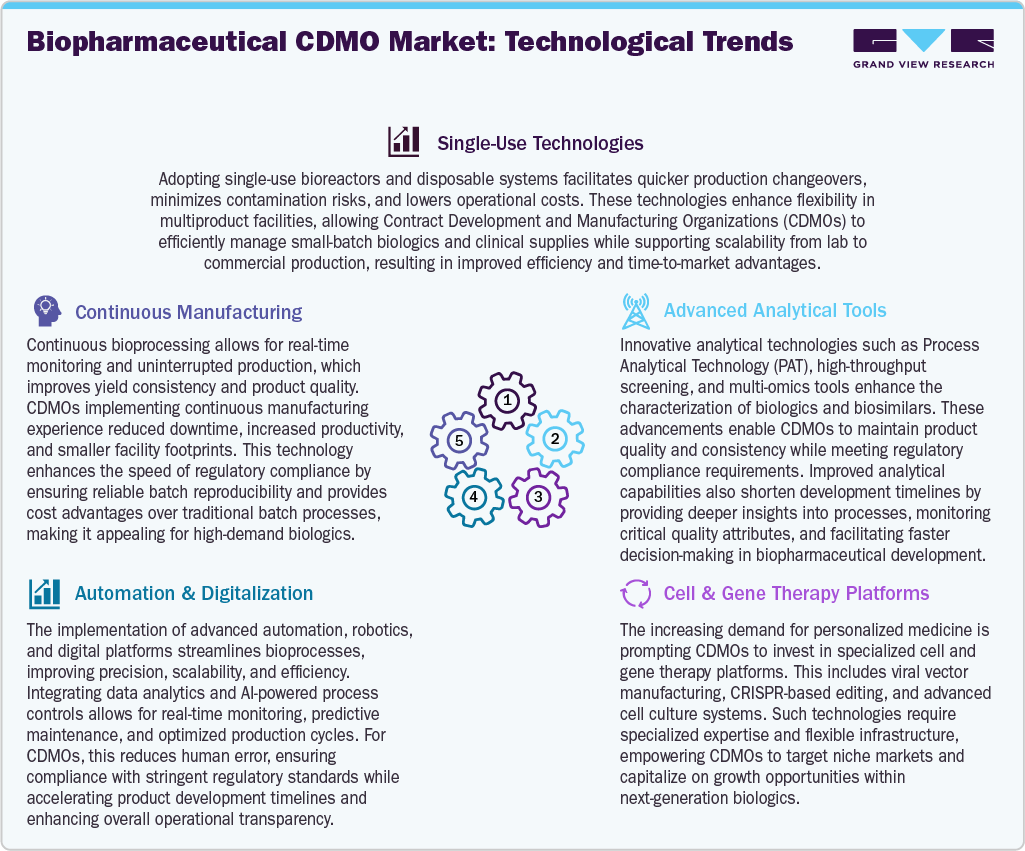
Technological advancements such as single-use technologies, continuous manufacturing, automation and digitalization, advanced analytical tools, and cell & gene therapy platforms are contributing to market growth. In addition, using single-use bioprocessing systems has made manufacturing more flexible and cost-efficient, minimizing contamination risks and speeding up turnaround times. Besides, adopting continuous manufacturing technologies is expected to streamline production cycles, enhance process consistency, and reduce operational costs. In addition, advanced cell-line development platforms and high-throughput screening methods are accelerating early-stage development and optimizing yields.
 To learn more about this report, Download Free Sample Report
Moreover, the increasing use of automation and digitalization, such as artificial intelligence, machine learning, and automation, to enhance predictive modeling and optimize workflows ensures data integrity. In addition, these innovations allow CDMOs to improve process control, reduce errors, and comply with changing regulatory frameworks. Also, advanced analytical technologies and process intensification methods are elevating quality assurance and enabling real-time monitoring of biopharmaceutical manufacturing, which further contributes to market growth.
Furthermore, the increasing use of cloud-based platforms, digital twins, and integrated data management solutions is expected to drive collaboration in the market. Thus, these advancements position CDMOs as vital partners for biopharma companies offering shorter timelines, lower costs, and greater reliability, further contributing to market growth.
 To learn more about this report, Download Free Sample Report
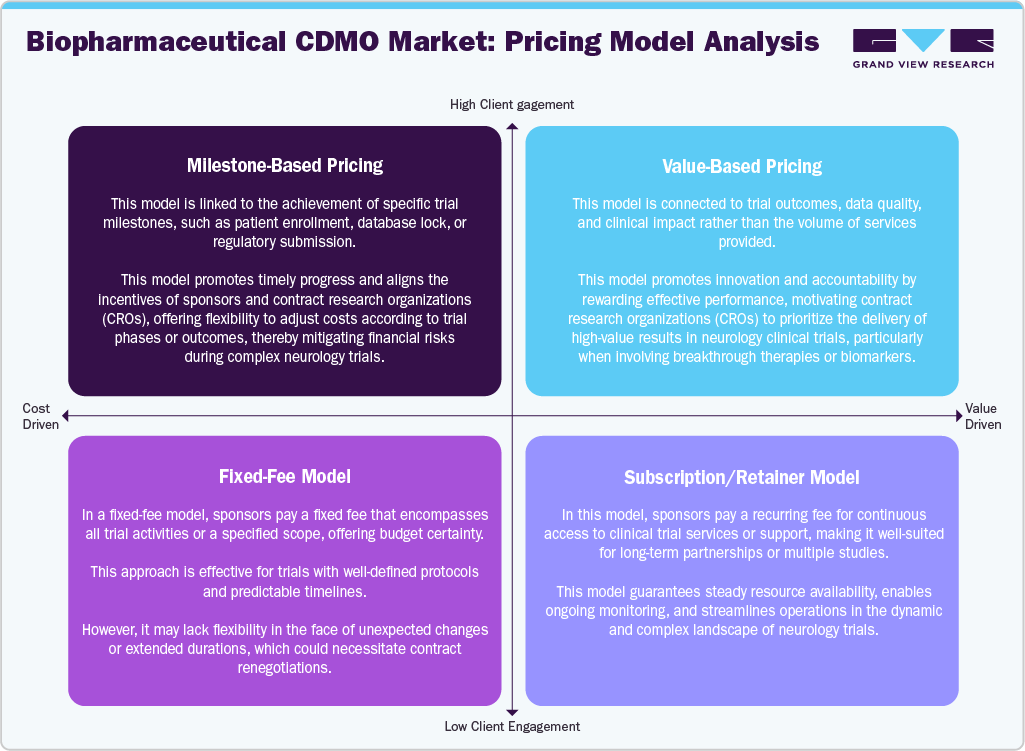
The biopharmaceutical CDMO industry employs various pricing models to balance client needs and operational efficiency. The milestone-based pricing links payments to project achievements such as clinical trial phases, reducing upfront risk & promoting accountability. In addition, the value-based pricing focuses on charging clients according to outcomes or benefits delivered, such as faster time-to-market or improved product quality, aligning fees with performance and innovation. In addition, the fixed-fee model provides predetermined costs for defined services, offering clients budget predictability and billing, though CDMOs further minimize the unexpected challenges. Moreover, the subscription or retainer model involves recurring payments for continuous access to services or expertise, ensuring stable revenue for CDMOs and client priority support. This model supports long-term collaborations for ongoing R&D, manufacturing, or quality assurance. Thus, these pricing models enable CDMOs to cater to diverse client requirements while managing risk, incentivizing performance, and fueling strategic partnerships.
Market Concentration & Characteristics
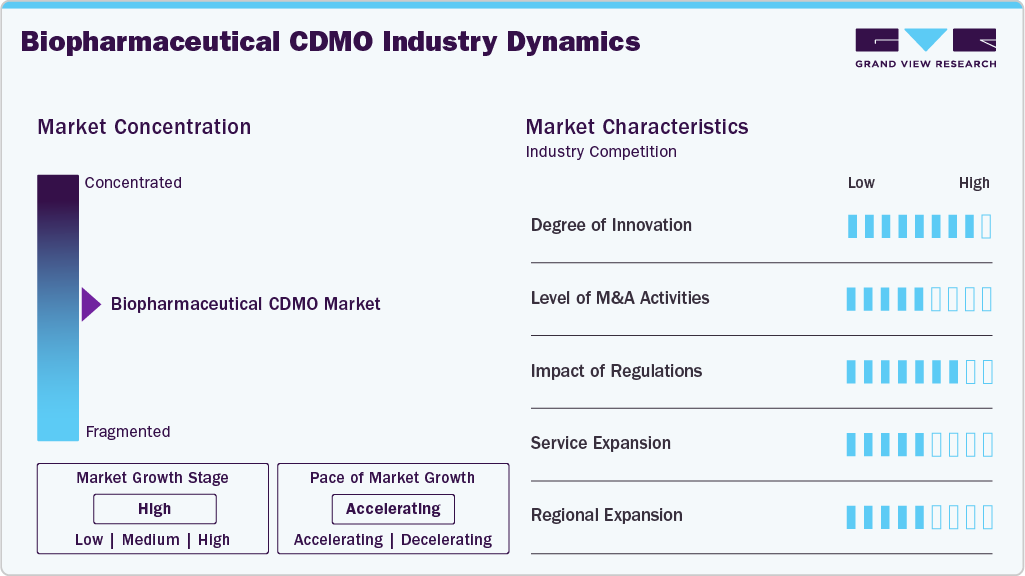
The market growth stage is high, and growth is accelerating. The market is characterized by the degree of innovation, level of M&A activities, regulatory impact, service expansion, and regional expansion.
Innovation drives the competitive advantage in the CDMO market. Besides, companies are increasingly investing in advanced technologies, novel biologics, and next-generation therapies that can differentiate themselves, improve process efficiency, and attract high-value clients. In addition, growing product innovation has enabled faster product development, better quality, and adaptability due to evolving market demand, positioning CDMOs as preferred partners for complex biopharmaceutical projects.
 To learn more about this report, Download Free Sample Report
Mergers and acquisitions have reshaped the market dynamics by consolidating capabilities, expanding portfolios, and increasing geographic expansion. In addition, increased M&A activities have further allowed CDMOs to access specialized technologies, acquire talent, and gain advantages. Moreover, strategic acquisitions have enhanced market competitiveness, improved service offerings, and enabled faster market entry, further fueling the biopharmaceutical CDMO landscape.
Regulatory compliance plays a major role in the CDMO operations. This compliance ideally impacts various aspects such as timelines, costs, and market access. In addition, the stringent guidelines about biologics, cell and gene therapies, and GMP further necessitate implementing robust quality systems and thorough documentation processes. Moreover, most of the CDMOs have enhanced regulatory expertise that are better equipped to manage risks, achieve faster approvals, and drive the client requirements. This makes compliance a challenge and a key strategic differentiator in the competitive landscape.
Expanding service offerings, such as moving from development to commercial manufacturing or analytics, enables CDMOs to provide comprehensive end-to-end solutions. A broad service portfolio attracts larger clients and reduces reliance on specific segments, leading to improved revenue streams. By integrating complementary capabilities, CDMOs can enhance client value, strengthen partnerships, and seize opportunities throughout the biopharmaceutical product lifecycle.
The regional expansion has enabled CDMOs to access new markets, diversify revenue, and take advantage of cost-effective manufacturing hubs. In addition, by establishing facilities in emerging regions, CDMOs can better meet local client demand, ensure regulatory compliance, and strengthen supply chain resilience. Thus, this regional expansion is expected to enhance their global footprint and boost competitiveness and scalability, allowing CDMOs to serve multinational clients while minimizing risks effectively.
Type Insights
Based on type, in 2025, the APIsegment held the largest market share in the market, accounting for a revenue share of 63.1%. The growth of this segment can be attributed to the expanding biopharmaceutical industry, rising outsourcing trends, increasing incidence of chronic diseases, and growing complexity of generics, biologics, and specialty medicines among consumers. In addition, most biopharmaceutical companies are shifting towards CDMOs providing specialized services, advanced manufacturing platforms, and regulatory compliance, supporting the expansion of API. Moreover, the surge in biologics, biosimilars, and advanced therapeutics such as monoclonal antibodies, cell and gene therapies, and nucleic acid–based drugs is expected to drive the segment growth. In addition, with the increasing global demand for targeted therapies and chronic disease treatments, APIs are increasingly becoming essential within the CDMO industry, further contributing to segment growth. Furthermore, the market is supported by rising strategic partnerships, production expansions, and an increased focus on HPAPIs, further fueling the segment growth.
The finished drug product segment is expected to grow significantly during the forecast period. The segment growth is driven by the higher requirement for end-to-end outsourcing services, along with the rise in commercialization of biological, biosimilar, and injectable drug products. Companies involved in pharmaceutical manufacturing have started taking assistance from CDMOs in order to develop their formulations and conduct sterile fill-finish processes, as well as in packaging and manufacturing in bulk. Moreover, the increasing investment in sterile manufacturing facilities, isolators, and advanced manufacturing processes compliant with regulations is also fueling the growth of this segment.
Product Insights
On the basis of product, the biologics segment dominated the market with the largest revenue share in 2025. The segment is driven by rising demand for targeted therapies, personalized medicine, and treatments for chronic and rare diseases. These biologics complexes further necessitate advanced technologies, specialized expertise, and strict regulatory compliance, leading companies to depend on CDMOs for scalability, cost efficiency, and technical expertise, enabling faster commercialization of biologics. Moreover, growing patent expirations, robust R&D pipelines, and increased biologics approvals, particularly in monoclonal antibodies, vaccines, and cell and gene therapies, are expected to drive the segment growth. In addition, growing trends for cell & gene therapies, the adoption of single-use bioprocessing systems, and a global capacity expansion by CDMOs are expected to drive market growth. Such factors are expected to drive segment growth over the estimated time period.
The biosimilars segment is expected to grow significantly during the forecast period. The segment is driven by the rising need for affordable alternatives to high-cost biologics and the expiration of patents on several blockbuster drugs. Besides, growing advances in bioprocessing technologies, stringent regulatory compliance, and specialized expertise are further making CDMOs essential partners for efficient and scalable production. Moreover, rising healthcare costs, favorable regulatory pathways, and increasing biosimilar acceptance for a range of therapeutic areas are contributing to segment growth. Furthermore, growing oncology, autoimmune, and chronic diseases have enabled CDMOs to accelerate development, risk mitigation, and commercialization, further contributing to market growth. Thus, biosimilars are expected to experience growth over the estimated time period.
Service Insights
On the basis of service, the contract development segment accounted for the largest share in 2025 during the forecast period. The segment is driven by the increasing complexity of drug development, the rising need for specialized expertise, growing R&D activities, stringent regulatory requirements, and pressure to accelerate time-to-market. In addition, contract development offers a range of services such as process optimization, formulation, analytical testing, and regulatory support, enabling companies to mitigate risk, improve efficiency, and leverage advanced technologies without investing heavily in infrastructure. Moreover, growing innovation of biologics, cell and gene therapies, and personalized medicine is expected to drive the need for contract development to gain access to specialized solutions, technical proficiency, and global networks to reduce the costs, enhance the quality, and maintain competitive advantage. Furthermore, the changing regulatory landscape, coupled with rising offshoring to emerging countries, drives the market. Thus, biopharmaceutical companies are outsourcing low-end services to service providers to reduce the overall cost of production. This trend is expected to contribute to fueling the segment growth over the estimated time period.
The contract manufacturing segment is expected to grow significantly during the forecast period. The segment is accelerating, driven by rising demand for biologics, vaccines, and advanced therapies. In addition, most biopharma companies are increasingly outsourcing production to CDMO service providers specifically to reduce the capital expenditure, scale efficiently, and meet the stringent regulatory standards. In addition, the rising need for rapid commercialization & global supply chain optimization is anticipated to drive the segment. Moreover, CDMO providers increasingly focus on offering specialized services, technical expertise, and quality assurance, enabling faster time-to-market and minimizing risk mitigation. Furthermore, the rising outsourcing trend, production expansion, and complex molecule innovation support the market growth. Such factors are expected to drive the market over the estimated time period.
Source Insights
On the basis of source, the microbial segment dominated the market with the largest revenue share in 2025. The segment is driven by the growing importance of microbes in drug development, as this source uses microorganisms to produce enzymes, vaccines, antibiotics, and therapeutic proteins. Besides, the microbial manufacturing processes are cost-effective, flexible, efficient, and feature rapid development timelines, making them appealing to biopharma companies. Moreover, biopharmaceutical CDMOs increasingly opt for microbial sources to offer a range of specialized fermentation technologies that support processes and ensure strict quality control for regulatory compliance. Furthermore, growing requirements for biologics, biosimilars, and industrial enzymes are expected to drive the segment growth over the estimated period.
On the other hand, the mammalian segment is projected to grow at a significant CAGR duringthe forecast period. Mammalian cells are used in the biopharmaceutical market to produce complex biologics, including recombinant proteins, monoclonal antibodies, and vaccines. The mammalian cell-based production provides scalability, quality assurance, and technical precision, which further fuels the biopharmaceutical CDMO market growth. Besides, the cells enable proper protein folding, post-translational modifications, and high bioactivity, which are essential for clinical efficacy. In addition, the complexity of mammalian cell culture drives biopharma companies to partner with CDMOs, which offer specialized facilities, process development, and regulatory compliance expertise. Moreover, growing demand for mammalian cells in autoimmune, oncology, and rare disease therapies, along with rising requirements for biosimilars and personalized medicines, is anticipated to drive market growth.
Workflow Insights
On the basis of workflow, the commercial segment accounted for the largest share in 2025 during the forecast period. The segment growth is driven by the shifting trends towards outsourcing companies to streamline operations and accelerate product launches. Some other factors contributing to segment growth are rising global trends toward outsourcing and an expanding product pipeline. Besides, currently, most biopharmaceutical companies increasingly rely on the expertise and infrastructure of CDMOs, allowing them to save time and reduce costs, while focusing on launching new products and navigating complex formulations and strict regulatory standards. Besides, commercial manufacturing increasingly focuses on end-to-end solutions, including large-scale manufacturing, regulatory compliance, and supply chain management. Moreover, the growing complex therapies manufacturing is expected to drive the requirement for CDMOs to ensure quality, scalability, and cost efficiency, making them critical partners in the commercial biopharmaceutical landscape.
The clinical segment is expected to grow significantly during the forecast period. The growth is attributed to increasing biopharmaceutical companies turning to outsourcing service providers to optimize timelines and reduce costs. Besides, CDMOs majorly provide critical support through clinical trial material manufacturing, packaging, labeling, and distribution, aligning with stringent regulatory requirements. In addition, the growing complexity of biologics, personalized medicines, and cell and gene therapies has increased the requirement for specialized expertise and adaptable manufacturing solutions. Moreover, by partnering with CDMOs, biopharma companies can focus on innovation while ensuring a consistent & compliant supply of investigational products. Thus, with the expanding clinical trial activities globally, the market is expected to witness new growth opportunities over the estimated period.
Therapeutic Area Insights
On the basis of therapeutic area, the oncology segment accounted for the largest revenue share in 2025. The segment growth is driven by rising cancer prevalence, increasing patent expirations, growing demand for innovative treatments, rising pharmaceutical R&D investments, and growing requirements for oncology drugs and biologic innovations. For instance, the Cancer Atlas mentioned that the number of cancer cases is expected to reach 29 million globally by 2040. This is expected to drive the need for new oncology drugs across the globe, further contributing to market growth. Besides, CDMOs support oncology companies in achieving faster market entry with increased cost efficiency, further supporting market growth. In addition, for oncology drug development, most biopharmaceutical CDMO companies offer a range of expertise, including production of biologics & biosimilars, and advanced formulation techniques for targeted treatment delivery. Moreover, rising demand for personalized cancer therapies has increased the biopharmaceutical CDMOs ' investment in cutting-edge facilities, digital technologies, and flexible manufacturing models, establishing them as vital collaborators for innovating new oncology treatments.
The autoimmune diseases segment is expected to witness the second-highest CAGR during the forecast period. The segment is driven by rising autoimmune diseases such as rheumatoid arthritis, lupus, and multiple sclerosis. This has led pharmaceutical and biotech companies to shift towards CDMOs for their expertise in complex drug development, biologics, and targeted therapies manufacturing. Moreover, most CDMO companies offer a range of advanced capabilities to produce biologics and biosimilars to maintain high-quality standards per global regulatory requirements. In addition, these companies provide proficiency in scaling manufacturing processes and optimizing supply chains, which leads to quicker delivery of innovative therapies. Thus, with the increased investment in autoimmune drug development, CDMOs are playing a crucial role in meeting the unmet needs of patients. Such factors are expected to drive the segment growth over the estimated period.
End-use Insights
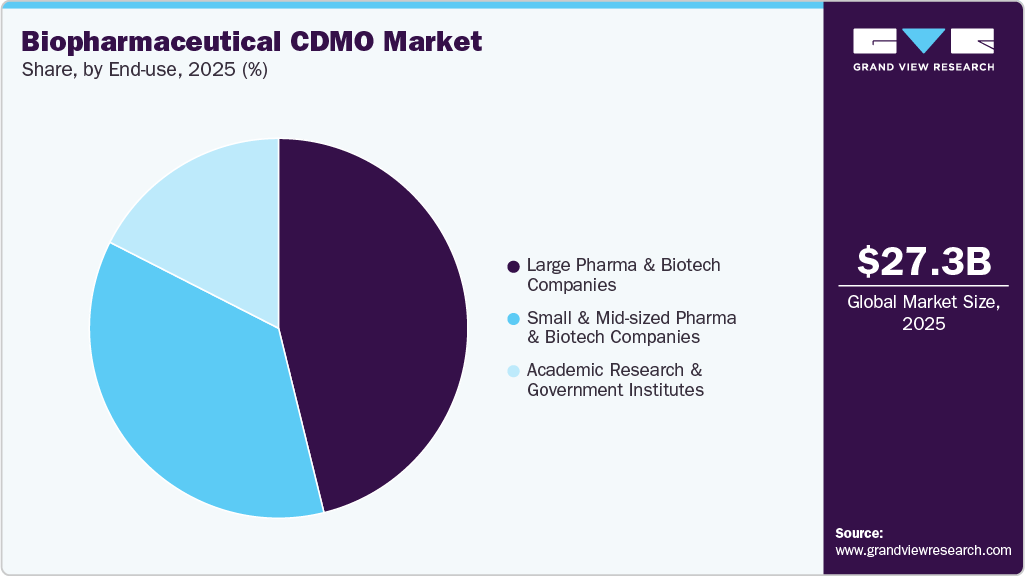
On the basis of end use, the large pharma & biotech companies segment accounted for the largest revenue share in 2025. Large pharma and biotech companies are increasingly partnering with CDMOs to enhance efficiency, reduce costs, and accelerate time-to-market. Besides, expanding pipelines in biologics, biosimilars, and advanced therapies has allowed these companies to rely on CDMOs for specialized expertise in complex manufacturing, regulatory compliance, and global distribution. In addition, outsourcing has enabled companies to focus on innovation & strategic innovation while mitigating risks associated with high capital investment and evolving technologies. Moreover, CDMOs mainly offer flexible, scalable solutions supporting clinical and commercial supply needs. Thus, the growing collaborations between these companies and CDMOs are expected to drive the segment growth over the estimated period.
 To learn more about this report, Download Free Sample Report
The small & mid-sized pharma & biotech companies’ segment is expected to grow at the second-fastest growth rate during the forecast period. Small and mid-sized pharma and biotech companies increasingly depend on CDMOs to bridge resources, infrastructure, and technical expertise gaps. Besides, most small & mid-sized companies lack capital and in-house manufacturing capabilities, leading to the rising adoption of end-to-end outsourcing models for product development, clinical supply, and commercial-scale production. Moreover, CDMOs offer end-to-end solutions, including formulations, process optimization, regulatory support, and supply chain management, enabling emerging market players to remain competitive in biologics and biosimilar drug development. Such factors are expected to drive segment growth.
Regional Insights
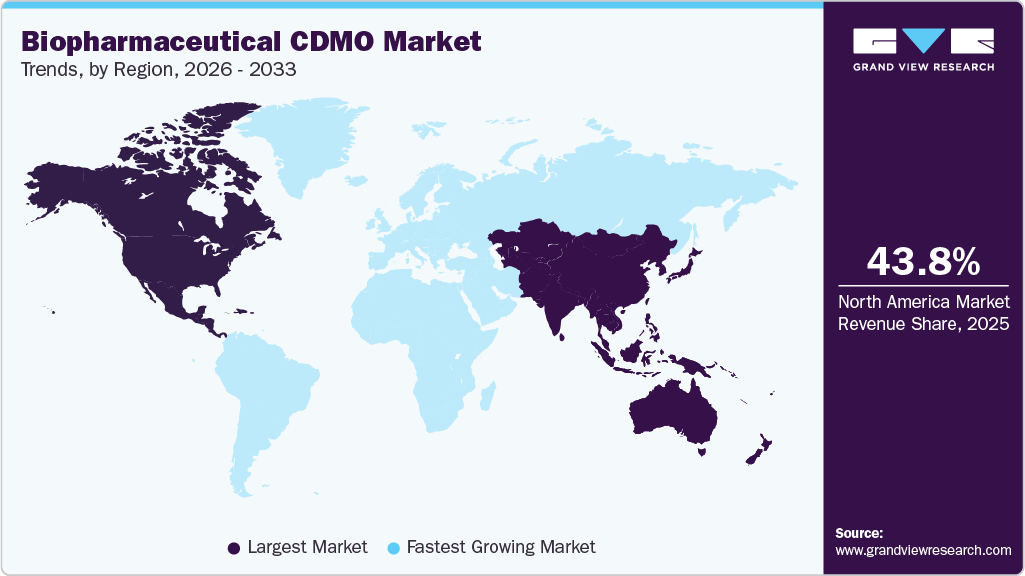
North America biopharmaceutical CDMO industry dominated the global market in 2025, holding a revenue share of 43.8%.The market growth is attributed to growing investment in R&D of new drugs by biopharmaceutical companies, advanced infrastructure, and established biopharmaceutical companies. Besides, the region benefits from a regulatory framework, high investment in biologics and cell & gene therapies, and clinical trial activities. In addition, biopharmaceutical companies across the U.S. and Canada are constantly focusing on innovating novel drugs, which has created a rising need for CDMO expertise in formulation, scale-up, and production. Moreover, strong manufacturing capabilities and a supply chain network have increased the need for CDMO services for development and commercial-scale production. Such factors are expected to drive the market over the estimated time period.
 To learn more about this report, Download Free Sample Report
U.S. Biopharmaceutical CDMO Market Trends
The biopharmaceutical contract development and manufacturing organization industry in the U.S. accounted for the highest market share in the North America market, owing to increasing outsourcing practices by biopharmaceutical companies, growing support of CDMOs in reducing operational and capital expenses, and strong R&D practices in the country, drive the market growth. In addition, the presence of established biopharmaceutical companies in the country has led to a rising innovating of complex biologics, biosimilars, and personalized therapies, further supporting the market growth. Moreover, the country's companies increasingly focus on reducing fixed costs and improving scalability, further contributing to market growth.
The Canada biopharmaceutical CDMO market is expected to grow at a significant CAGR during the forecast period. The market is driven by favorable government policies, growing investment in biotech innovations, and rising R&D activities. Besides, increasing outsourcing activities within the country is due to cost-effective services, advanced research facilities, skilled talent, and strong regulatory frameworks that align with international standards. In addition, the rising need for biologics and biosimilars with small and mid-sized biotechnology companies is increasingly leading to outsourcing to Canadian CDMOs. Moreover, growing focus on biologics & biosimilar innovation, cost-efficiency, and high-quality production is expected to drive the market over the estimated period.
Europe Biopharmaceutical CDMO Market Trends
Europe's biopharmaceutical CDMO market is evolving rapidly, supported by a sophisticated regulatory framework, strong presence of established biopharmaceutical and pharmaceutical companies, and a growing biologics pipeline. In addition, strong emphasis on developing biologics, biosimilar drugs, and advanced formulation technologies has led to major capacity expansions across Germany, Switzerland, Ireland, and the U.K. Moreover, growing strategic innovation in the region is expected to drive the market over the estimated time period.
The biopharmaceutical CDMO market in Germany held the largest share in Europe in 2025. This growth can be attributed to growing demand for a range of therapies, increasing product complexity, and stringent regulatory norms. Besides, the growing adoption of technology, strong focus on innovations, and rising innovation, particularly in biologics, biosimilars, and sterile manufacturing, are expected to drive the market. Moreover, growing scalability, cost efficiency, and compliance with international quality benchmarks are expected to support the market over the estimated period.
The UK biopharmaceutical contract development and manufacturing organization market is expected to grow significantly over the forecast period. The country's growth is fueled by the presence of various multinational CDMOs in the country, a growing number of clinical trials, strong R&D capabilities, government support for innovation, and a thriving biotech ecosystem. Besides, expanding biomanufacturing capacity and strengthening regulatory alignment to maintain global competitiveness are expected to support the market. Furthermore, the emphasis on advanced therapy medicinal products (ATMPs), especially in clusters related to cell and gene therapies like the Golden Triangle area in the UK, is adding further momentum to the demand for biopharmaceutical manufacturing services. These factors collectively boost the market growth in the UK.
Asia Pacific Biopharmaceutical CDMO Market Trends
Asia Pacific biopharmaceutical CDMO market is expected to grow at a significant CAGR over the forecast period.The market is driven by emerging market opportunities for biopharmaceutical R&D and manufacturing, favorable government policies, improving infrastructure, and the presence of a large number of market players. Besides, several biopharma companies are developing pharma products in Asian countries owing to low-cost production facilities and cheap labor available in these countries. Moreover, countries such as China, Japan, and India are strengthening their capabilities in biologics, biosimilars, and generics manufacturing in the region. Such factors are expected to drive the market.
The biopharmaceutical contract development and manufacturing organization market in China is witnessing new growth opportunities due to increased outsourcing of operations to Chinese market players by overseas biopharma firms, which is recognized as the primary growth factor for the China market. In addition, growing government investments, favorable regulatory changes, and expanding manufacturing capabilities for biologics and biosimilars are expected to drive the market growth. Moreover, with ongoing technological advancements, R&D infrastructure, and GMP compliance, the country is expected to position itself as a global hub for biopharmaceutical outsourcing, further contributing to market growth.
The biopharmaceutical contract development and manufacturing organization market in Japan is driven by the growth of the pharmaceutical industry, rapid technological advancements, and high healthcare expenditure. Moreover, the presence of a stringent regulatory framework and high standards for biologics & biosimilar manufacturing is increasing the need for CDMO services, further contributing to market growth. Moreover, the rising focus of Japan towards regenerative medicine and fast-track approval systems for cell-based therapies offers immense opportunities for specialized biopharmaceutical manufacturing organizations.
The India biopharmaceutical contract development and manufacturing organization market is experiencing rapid expansion, driven by low labor costs, the growing development of biologics & biosimilars, improvements in infrastructure, and the easy availability of technical expertise. Moreover, rising government funding for R&D to accelerate new product development, growing regulatory focus on manufacturing operations, and rapid uptake of local outsourcing services by global biopharmaceutical companies are expected to fuel market growth.
Latin America Biopharmaceutical CDMO Market Trends
The biopharmaceutical CDMO market in Latin America is expected to grow significantly over the forecast period. The market is driven by rising demand for a range of therapies, developing clinical trial activity, and increasing investments in biotechnology. Besides, countries like Brazil and Argentina emerge as regional hubs offering cost-efficient outsourcing options for pharma & biopharmaceutical companies. Moreover, partnerships with multinational companies are expected to drive the need for CDMOs service for scalability and regional market expansion. Such factors are expected to drive the market.
Brazil biopharmaceutical contract development and manufacturing organization market is driven by supportive government initiatives, rising biopharmaceutical outsourcing, and encouraging partnerships between global and local companies. In addition, CDMOs in the country are helping companies expand operations, launch new products, and undertake mergers and acquisitions. Such factors are expected to fuel the market over the forecast period. Moreover, the increased manufacturing capacity in Brazil, along with an emphasis on localized vaccine manufacturing, is creating more opportunities for CDMOs and technology-transfer collaborations. The emergence of local biotech firms, in addition to increasing investments in healthcare facilities, is fueling demand for outsourcing services.
Middle East & Africa Biopharmaceutical CDMO Market Trends
The biopharmaceutical CDMO market in the MEA region is expected to experience steady growth over the forecast period. The market is driven by growing healthcare investments, rising burden of chronic diseases, and demand for cost-effective therapies. Besides, increasing collaboration with global CDMOs, supportive government initiatives, and rising clinical trial activity contribute to market growth.
The UAE biopharmaceutical contract development and manufacturing organization market is experiencing growth driven by growing demand for biologics, the presence of a target population, strong government support, top-tier infrastructure, and a commitment to healthcare innovation. In addition, the growing expansion of biologics and biosimilars capabilities, ensuring compliance with international regulatory standards, is expected to drive the market over the estimated period. Such factors are expected to drive the market over the estimated time period.
Key Biopharmaceutical CDMO Company Insights
The key players operating across the market are adopting strategic initiatives such as service launches, mergers & acquisitions, partnerships & agreements, and expansions to gain a competitive edge in the market. For instance, in March 2025,Shilpa Medicare introduced a full-service “hybrid” CDMO, catering to both small and large molecule clients, as well as peptides, with a focus on oncology. The hybrid model combines end-to-end discovery, clinical, and commercial outsourcing services with ready-to-use novel formulations available for exclusive B2B licensing. This dual approach allows pharmaceutical companies to access Shilpa’s deep oncology expertise while minimizing the risks and lengthy timelines typically involved in drug development.
Key Biopharmaceutical CDMO Companies:
The following key companies have been profiled for this study on the biopharmaceutical CDMO market.
-
Lonza Group
-
Thermo Fisher Scientific
-
Catalent Pharma Solutions
-
Samsung Biologics
-
WuXi Biologics / WuXi AppTec
-
Boehringer Ingelheim (Biopharma CDMO)
-
Fujifilm Diosynth Biotechnologies
-
Charles River Laboratories
-
AGC Biologics
-
Siegfried Holding
-
Recipharm
-
MilliporeSigma (Merck KGaA)
-
Biocon Biologics
-
Sandoz
-
Rentschler Biopharma SE
Competitive Benchmarking
Operating Strategies
Competitive Edge
Weaknesses
Mature Players: Lonza
- The established biopharmaceutical CDMOs are increasing their capacities for manufacturing biologics by undertaking strategic developments like acquisitions, facility expansion, and strategic alliances.
- These companies are also making heavy investments in advanced manufacturing facilities and worldwide operations.
- The advantages include their vast knowledge about regulations, efficient manufacturing operations, and long-term partnerships with pharmaceutical/ biotechnology companies.
- The diverse range of services provided by such organizations enables them to provide comprehensive support for biologics production.
- The high-cost structure and compliance-related issues represent significant disadvantages for established biopharmaceutical CDMOs.
- Additionally, growing competition might put price pressure on CDMOs.
Emerging Players: Biocon Biologics
- The emerging CDMOs are taking up flexible operating models that emphasize manufacturing of specific biologics and customized outsourcing.
- Many of these firms are also capitalizing on single-use technology and shortened time-to-market to appeal to smaller and medium-sized biotech organizations.
- The strengths of these firms are their lean operational model and cost-efficient offerings, along with increasing proficiency in manufacturing complex products such as cell and gene therapies.
- These firms have been recognized for their client-centric manufacturing capabilities.
- Lack of large-scale manufacturing capacity continues to be a hurdle in the expansion of emerging firms.
- Other constraints include lower regulatory knowledge and the inability to secure long-term contracts with larger pharmaceutical organizations.
Recent Developments
-
In July 2025, Samsung Biologics partnered with 35Pharma, enabling development and clinical approvals of two recombinant proteins through coordinated CDMO support, operational excellence, and trusted collaboration, accelerating therapeutic innovation from concept to clinic.
-
In May 2025, Radyus Research and Eurofins CDMO Alphora launched a strategic partnership, integrating development, regulatory, and GMP manufacturing capabilities to streamline global biotech drug programs from preclinical through clinical proof-of-concept with end-to-end solutions.
Biopharmaceutical CDMO Market Report Scope
Report Attribute
Details
Market size value in 2026
USD 29.8 billion
Revenue forecast in 2033
USD 56.6 billion
Growth rate
CAGR of 9.6% from 2026 to 2033
Actual Data
2021 - 2025
Forecast period
2026 - 2033
Quantitative units
Revenue in USD billion and CAGR from 2026 to 2033
Report coverage
Revenue forecast, company ranking, competitive landscape, growth factors, and trends
Segments covered
Type, product, service, source, workflow, therapeutic area, end-use, region
Regional scope
North America; Europe; Asia Pacific; Latin America; MEA
Country scope
U.S.; Canada; Mexico; UK; Germany; France; Italy; Spain; Denmark; Sweden; Norway; Japan; China; India; Thailand; South Korea; Australia; Brazil; Argentina; South Africa; UAE; Saudi Arabia; Kuwait; Qatar; Oman
Key companies profiled
Lonza Group; Thermo Fisher Scientific; Catalent Pharma Solutions; Samsung Biologics; WuXi Biologics / WuXi AppTec; Boehringer Ingelheim (Biopharma CDMO); Fujifilm Diosynth Biotechnologies; Charles River Laboratories; AGC Biologics; Siegfried Holding; Recipharm; MilliporeSigma (Merck KGaA); Biocon Biologics; Sandoz; Rentschler Biopharma SE
Customization scope
Free report customization (equivalent up to 8 analysts working days) with purchase. Addition or alteration to country, regional & segment scope.
Pricing and purchase options
Avail customized purchase options to meet your exact research needs. Explore purchase options
Global Biopharmaceutical CDMO Market Report Segmentation
This report forecasts revenue growth at global, regional, and country levels and provides an analysis of the latest industry trends in each of the sub-segments from 2021 to 2033. For this study, Grand View Research has segmented the global biopharmaceutical contract development and manufacturing organization market report based on type, product, service, source, workflow, therapeutic area, end-use, and region.
-
Type Outlook (Revenue, USD Million, 2021 - 2033)
-
API
-
Finished Drug Product
-
Oral Solid Dose
-
Semi-Solid Dose
-
Liquid Dose
-
-
Others
-
-
Product Outlook (Revenue, USD Million, 2021 - 2033)
-
Biologics
-
Monoclonal antibodies (mAbs)
-
Recombinant proteins & enzymes
-
Vaccines
-
Cell & Gene Therapies
-
Nucleic acid Therapeutics
-
Others
-
-
Biosimilars
-
-
Service Outlook (Revenue, USD Million, 2021 - 2033)
-
Contract Development
-
Cell Line Development
-
Process Development
-
Upstream
-
Downstream
-
-
Analytical Testing & Method Validation
-
Scale-Up & Tech Transfer
-
-
Contract Manufacturing
-
API Manufacturing
-
Finished Drug Products Manufacturing
-
-
Packaging and Labelling
-
Regulatory Affairs
-
Logistics & Storage
-
Others
-
-
Source Outlook (Revenue, USD Million, 2021 - 2033)
-
Mammalian
-
Microbial
-
-
Workflow Outlook (Revenue, USD Million, 2021 - 2033)
-
Clinical
-
Commercial
-
-
Therapeutic Area Outlook (Revenue, USD Million, 2021 - 2033)
-
Oncology
-
Infectious Diseases
-
Neurological Disorders
-
Cardiovascular Disease
-
Metabolic Disorders
-
Autoimmune Diseases
-
Respiratory Diseases
-
Ophthalmology
-
Gastrointestinal Disorders
-
Others
-
-
End-use Outlook (Revenue, USD Million, 2021 - 2033)
-
Large Pharma & Biotech Companies
-
Small & Mid-sized Pharma & Biotech Companies
-
Academic Research & Government Institutes
-
-
Regional Outlook (Revenue, USD Million, 2021 - 2033)
-
North America
-
U.S.
-
Canada
-
Mexico
-
-
Europe
-
UK
-
Germany
-
France
-
Italy
-
Spain
-
Denmark
-
Sweden
-
Norway
-
-
Asia Pacific
-
Japan
-
China
-
India
-
Australia
-
Thailand
-
South Korea
-
-
Latin America
-
Brazil
-
Argentina
-
-
Middle East & Africa
-
South Africa
-
UAE
-
Saudi Arabia
-
Kuwait
-
Qatar
-
Oman
-
-
Delivered Customizations
This report has been delivered with the following In-depth customizations
Client Request
Customization Delivered
Value Adds
Global Biopharmaceutical CDMO Competitive Landscape & Capacity Benchmarking
Conducted a detailed assessment of the global biopharmaceutical CDMO market focusing on large molecule manufacturing capabilities, regional production capacity, biologics infrastructure, and competitive positioning of major CDMOs. The study evaluated expansion strategies, technology adoption, integrated service offerings, manufacturing scalability, and regional outsourcing trends across clinical and commercial biologics production.
Helps stakeholders identify competitive advantages, evaluate regional manufacturing strengths, benchmark outsourcing capabilities, and understand evolving market dynamics influencing global biologics manufacturing partnerships and investment strategies.
Biopharmaceutical Pipeline Growth & Outsourcing Opportunity Assessment
Delivered an analysis of outsourcing opportunities driven by the expanding pipeline of biologics, biosimilars, recombinant proteins, vaccines, and next-generation therapies. The study examined clinical pipeline growth, increasing reliance of biotech firms on outsourcing partners, demand for flexible manufacturing models, and rising preference for integrated development and commercial manufacturing services.
Provides actionable insights into high-growth therapeutic segments, outsourcing demand hotspots, and strategic service opportunities for CDMOs supporting accelerated biologic drug development and commercialization.
Single-Use Technologies & Flexible Biomanufacturing Infrastructure Analysis
Conducted an assessment of single-use bioprocessing adoption, modular manufacturing expansion, and flexible production systems within the biopharmaceutical CDMO market. The study evaluated trends in disposable bioreactors, process intensification, contamination control systems, and scalable manufacturing models supporting operational efficiency and faster production timelines.
Supports strategic planning by identifying modernization opportunities, operational efficiency trends, scalable manufacturing technologies, and investment areas aligned with the future evolution of flexible and cost-effective biopharmaceutical production.
Frequently Asked Questions About This Report
The global biopharmaceutical contract development and manufacturing organization market size was estimated at USD 27.3 billion in 2025 and is expected to reach USD 29.8 billion in 2026.
The global biopharmaceutical contract development and manufacturing organization market is expected to grow at a compound annual growth rate of 9.6% from 2025 to 2033 to reach USD 56.6 billion by 2033.
North America dominated the pharmaceutical CDMO market, with a share of 43.8% in 2025. The market growth is attributed to growing investment in R&D of new drugs by biopharmaceutical companies, advanced infrastructure, and established biopharmaceutical companies. Besides, the region benefits from a regulatory framework, high investment in biologics and cell & gene therapies, and clinical trial activities. In addition, biopharmaceutical companies across the U.S. and Canada are continually innovating novel drugs, creating a growing need for CDMO expertise in formulation, scale-up, and production.
Some key players operating in the biopharmaceutical CDMO include Lonza Group, Thermo Fisher Scientific, Catalent Pharma Solutions, Samsung Biologics, WuXi Biologics / WuXi AppTec, Boehringer Ingelheim (Biopharma CDMO), Fujifilm Diosynth Biotechnologies, Charles River Laboratories, AGC Biologics, Siegfried Holding, Recipharm, MilliporeSigma (Merck KGaA), Biocon Biologics, Sandoz, and Rentschler Biopharma SE, among others.
The market is driven by increasing demand for biologics, biosimilars, and advanced therapies. Besides, rising demand for outsourcing services, growing expansion of a large product pipeline, and increasing cost effectiveness within CDMO services have led most biopharmaceutical manufacturers to outsource their production capabilities. Most biopharmaceutical companies are developing biologics & biosimilars due to continuous demand for targeted, effective, and personalized therapies, as these offer higher efficacy, reduced side effects, and the ability to address complex & chronic diseases such as cancer, autoimmune disorders, and rare genetic conditions. Such factors are expected to drive the market growth.
About the Author(s)
Medical Devices Research Team
Healthcare · Medical DevicesThis report was authored by the medical devices research team at Grand View Research - comprising two research analysts, one senior research analyst, and one industry expert - with specialized expertise in the medical devices segment of the healthcare industry. All findings are based on proprietary healthcare databases, executive interviews, and regulatory analysis, subject to internal peer review prior to publication.
Last Updated:
Speak to Analyst

Customize this report to your needs - add regions, segments, or data points, with 20% free customization.
Or view our licence options:


ISO 9001:2015 & 27001:2022 Certified
We are GDPR and CCPA compliant! Your transaction & personal information is safe and secure. For more details, please read our privacy policy.


